Gut Recovery Peptides
Mucosal Integrity. 40+ Studies.
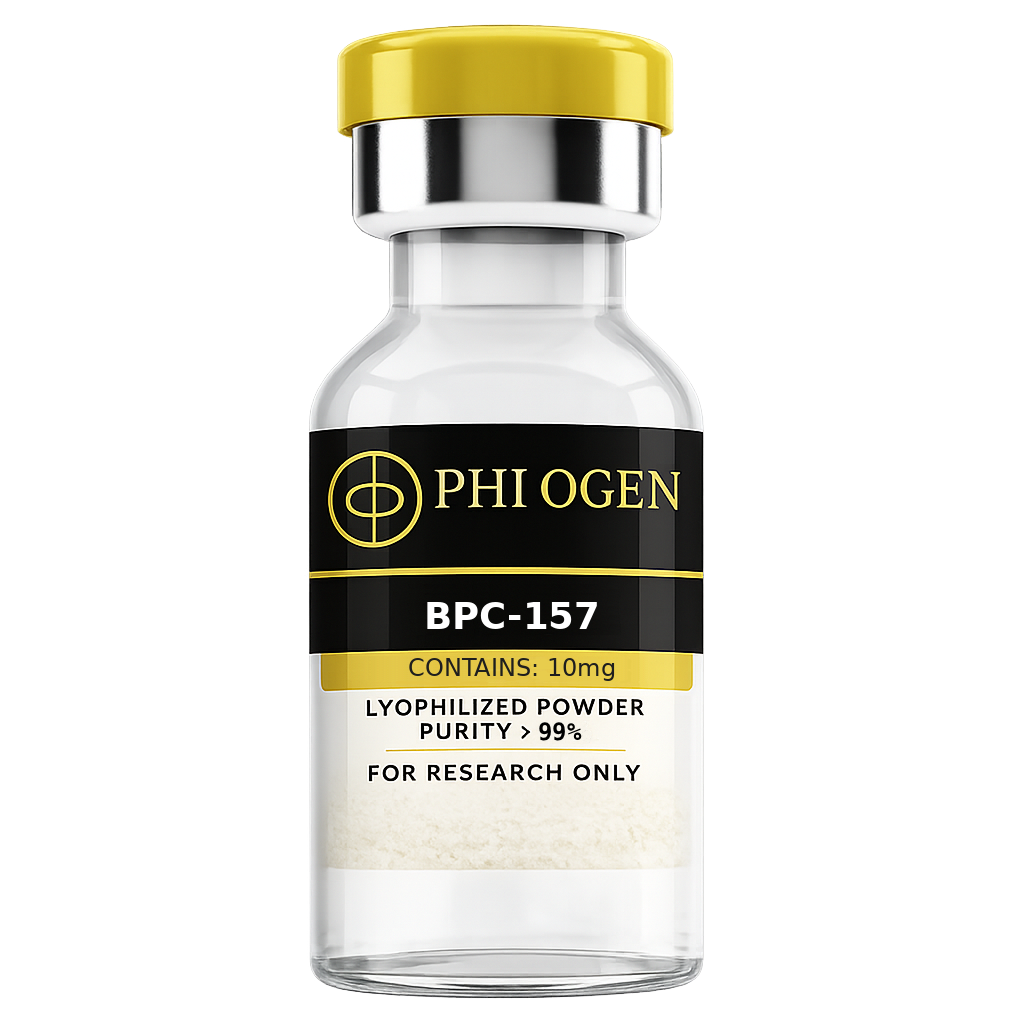
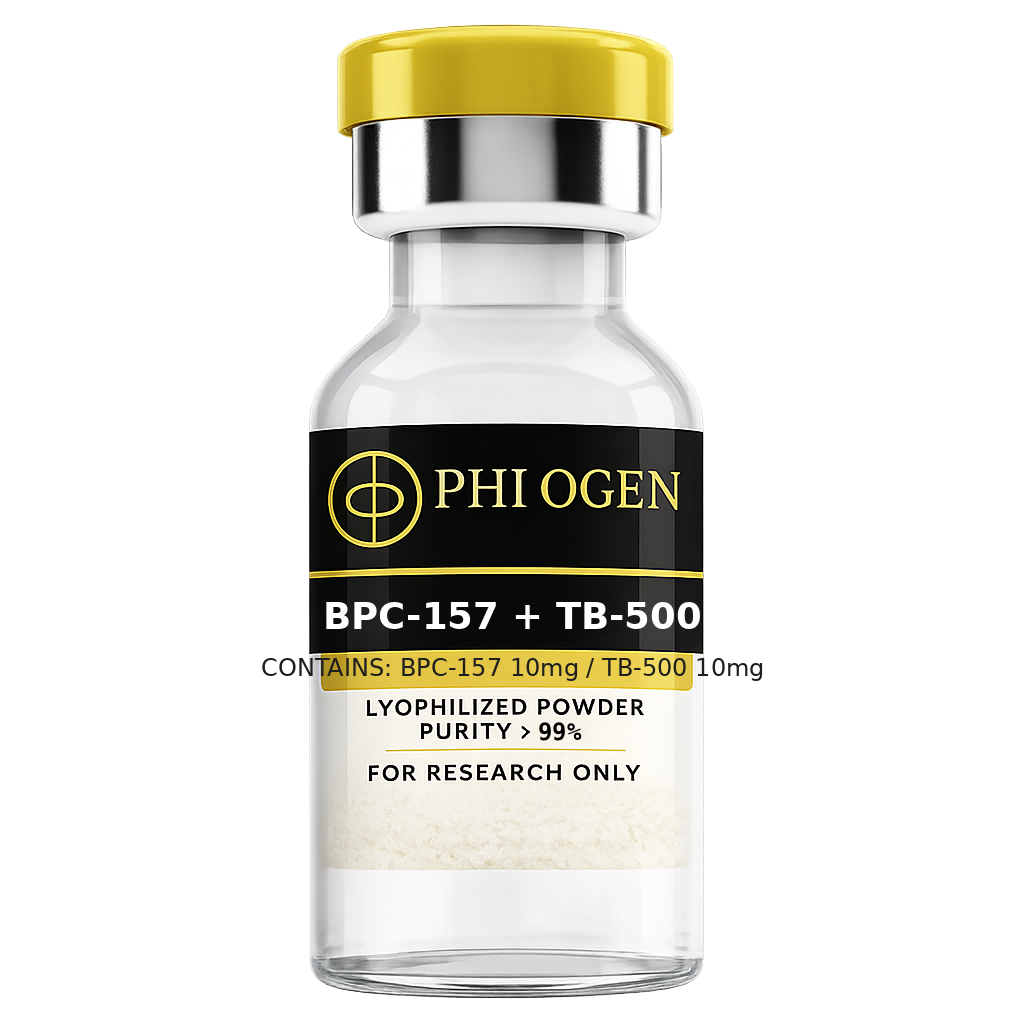
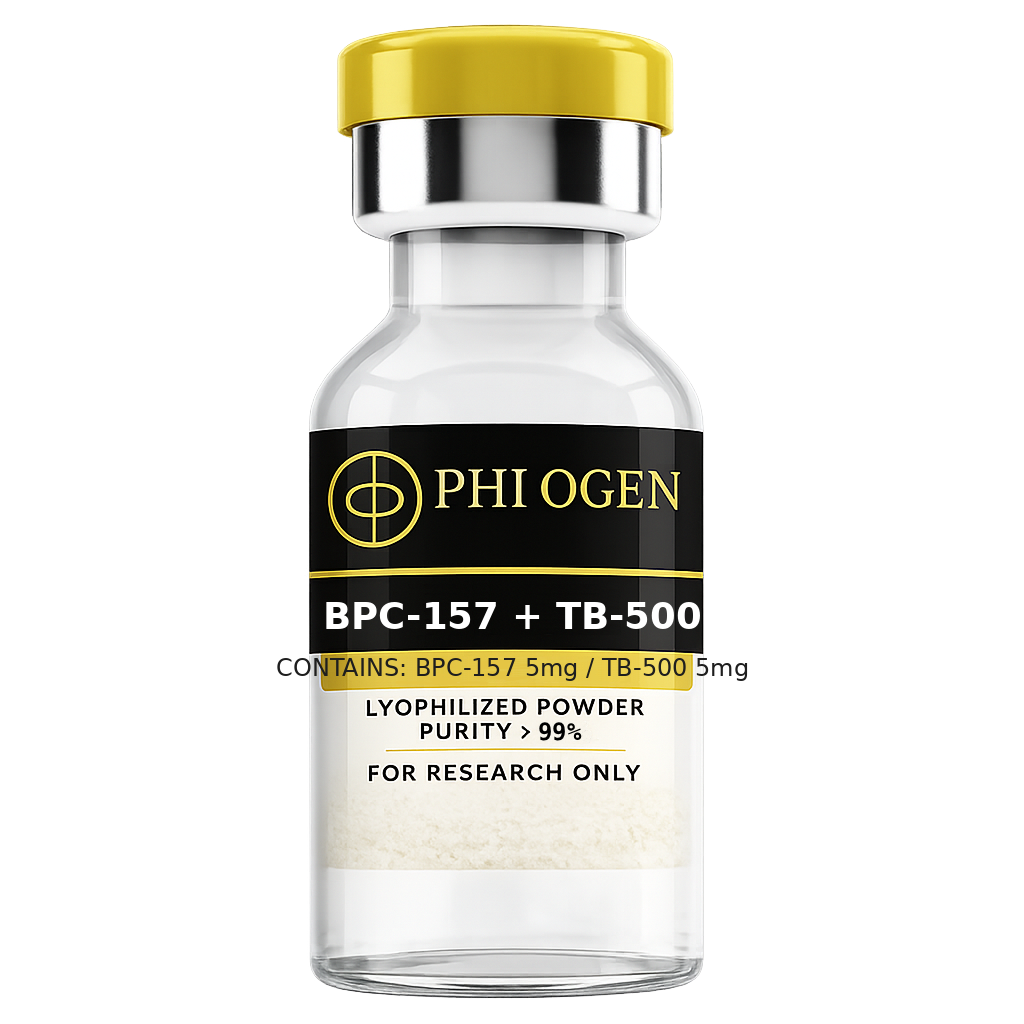
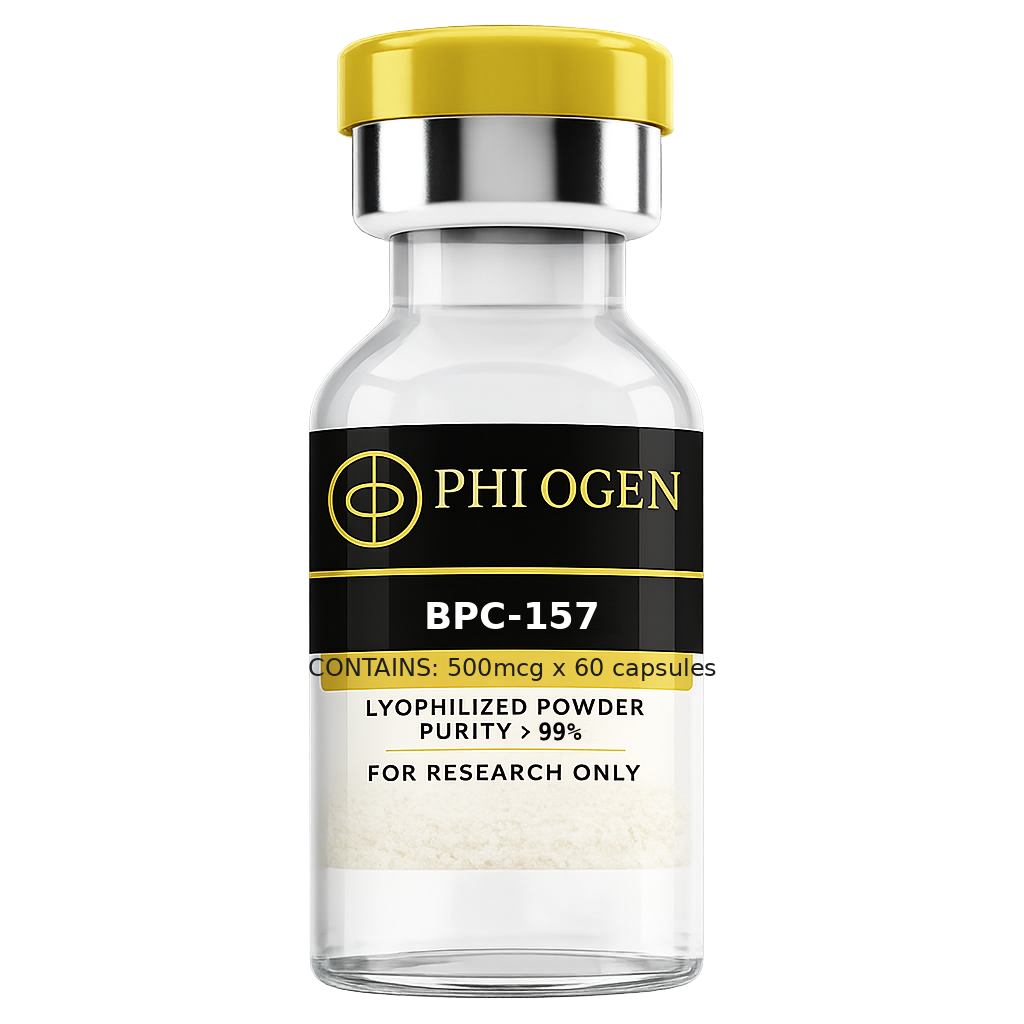
BPC-157 is the primary gut recovery research compound — a 15-amino-acid synthetic pentadecapeptide with over 40 peer-reviewed publications studying its GI mucosal interactions. Its documented mechanisms span the nitric oxide system, VEGFR2 upregulation, and direct mucosal protection effects in multiple model systems. In multi-peptide research stacks, the gut recovery layer addresses GI integrity during reduced-intake protocols driven by GLP receptor agonists.
Gut Recovery Peptides — Research Compounds
Research FAQ — Gut Recovery
What are the primary mechanisms studied for BPC-157?
Research spans three main axes: (1) nitric oxide system modulation — interactions with L-arginine-NO pathway directly relevant to GI mucosal blood flow and barrier function; (2) VEGFR2 upregulation — driving angiogenesis in tissue repair models; (3) dopaminergic and serotonergic system interactions — relevant given ~90% of the body's serotonin is GI-located.
Why pair gut recovery compounds with GLP receptor agonists?
GLP-1R agonists reduce gastric motility and caloric intake, altering the normal stimulation pattern for GI mucosal turnover. Research into whether mucosal integrity can be maintained during reduced-intake GLP protocols is a natural secondary question — BPC-157's 40+ GI mucosal publications make it the primary compound for this research axis.