Core Protocol Stack
5 Layers. 10 Compounds. Full Stack.
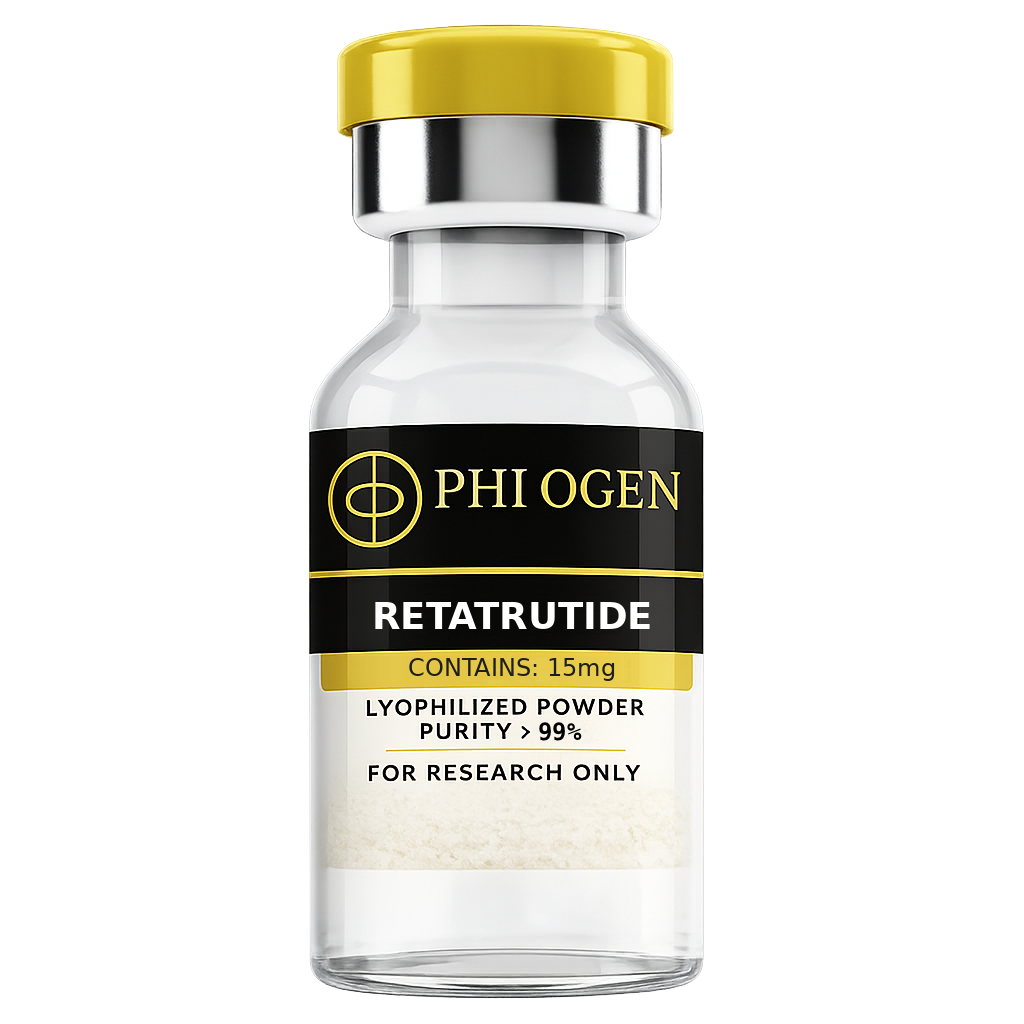
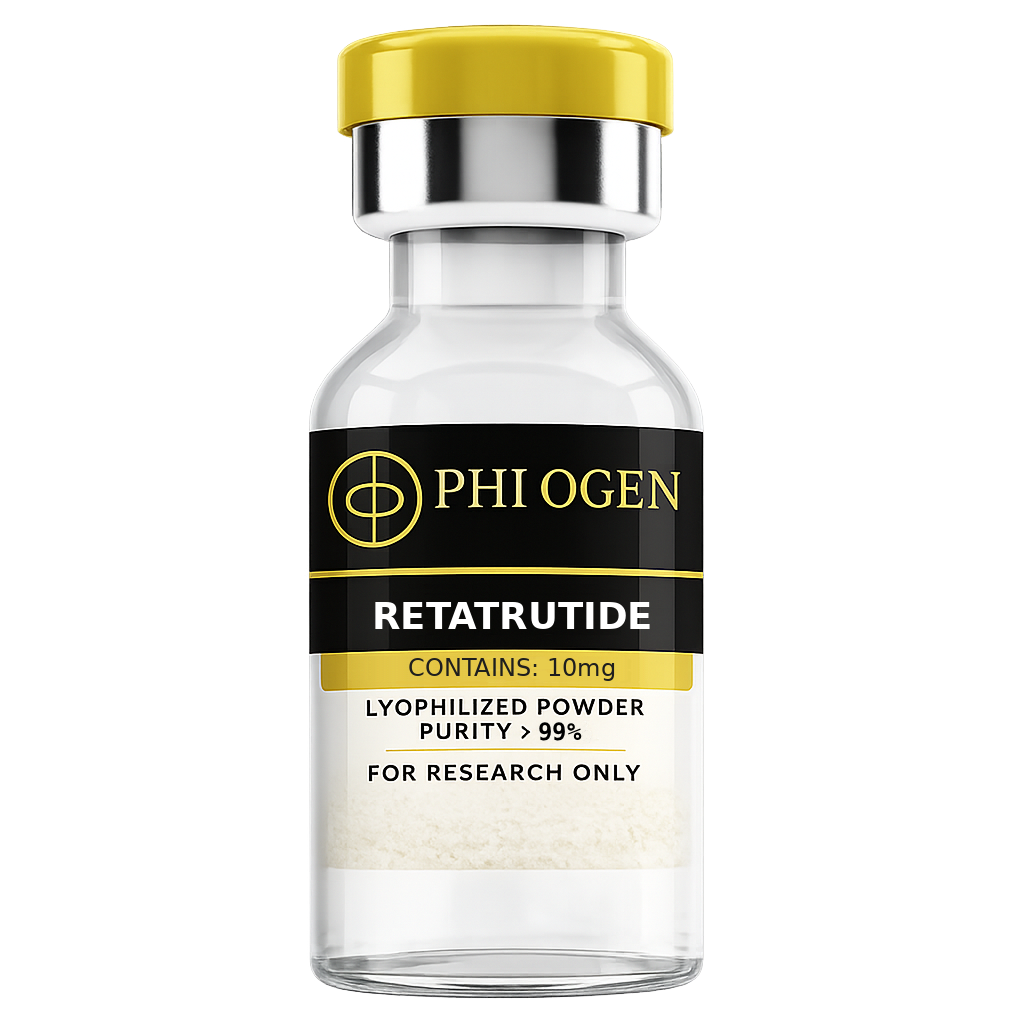
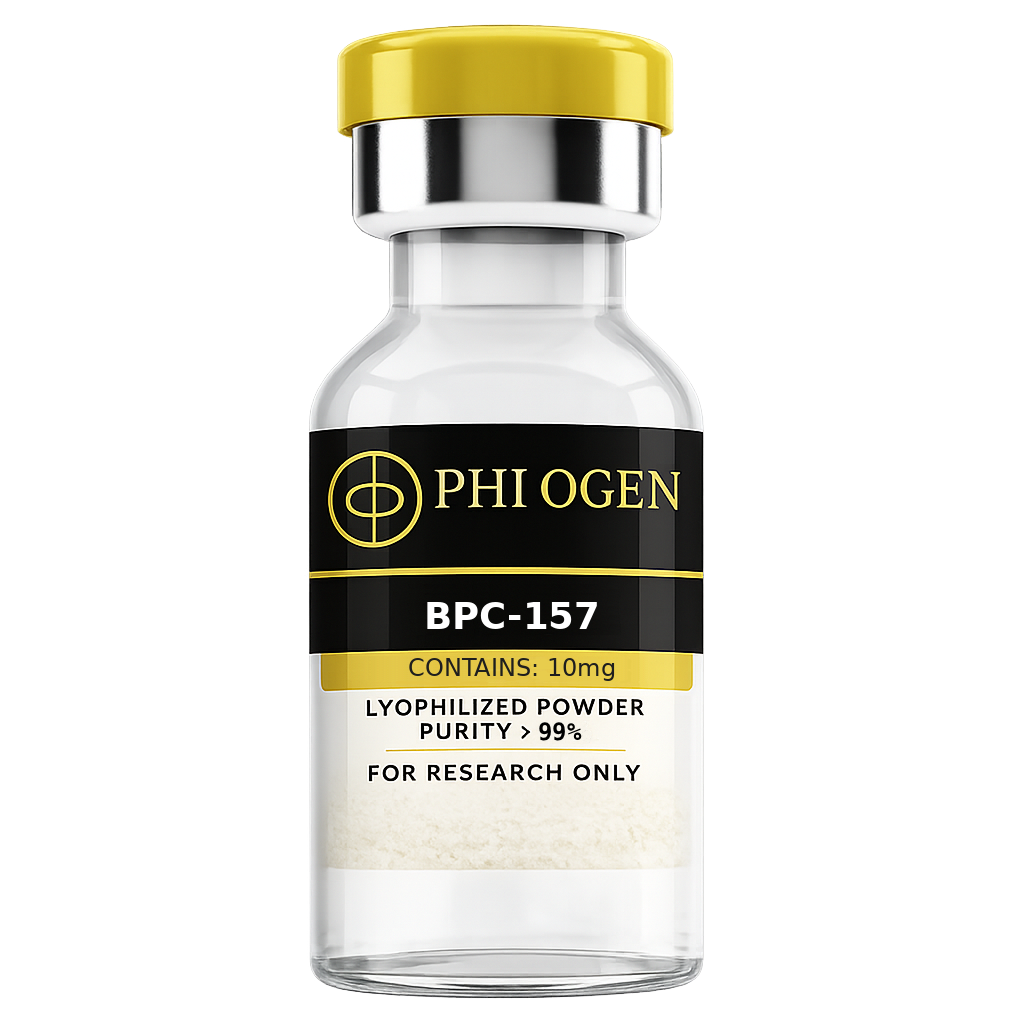
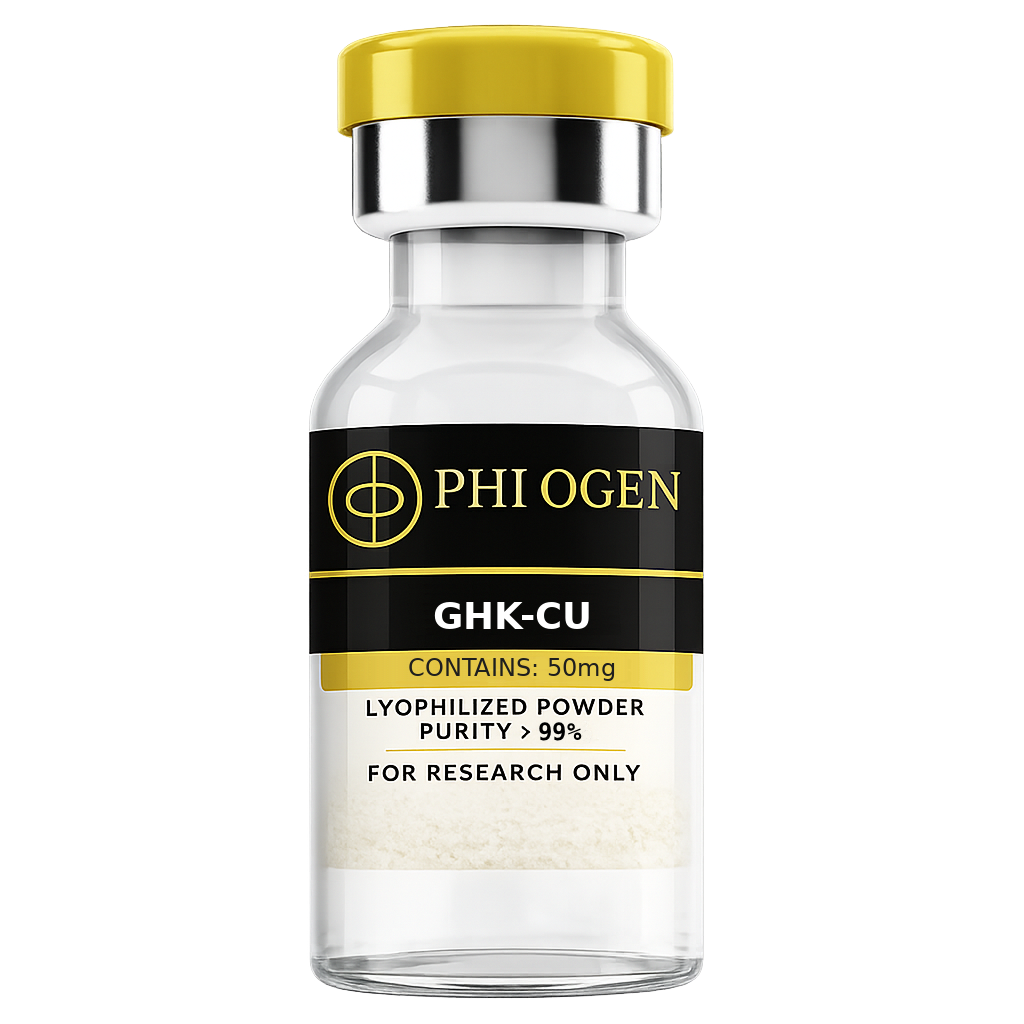
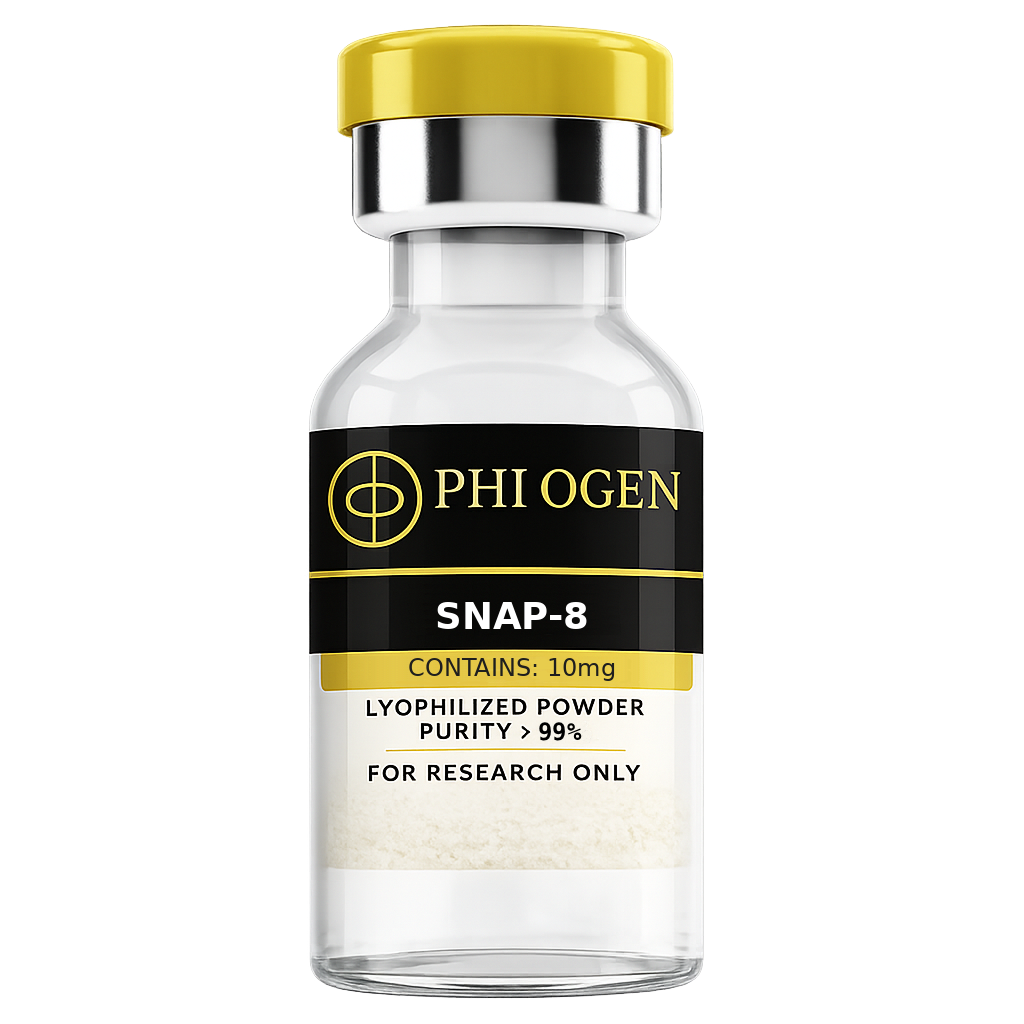
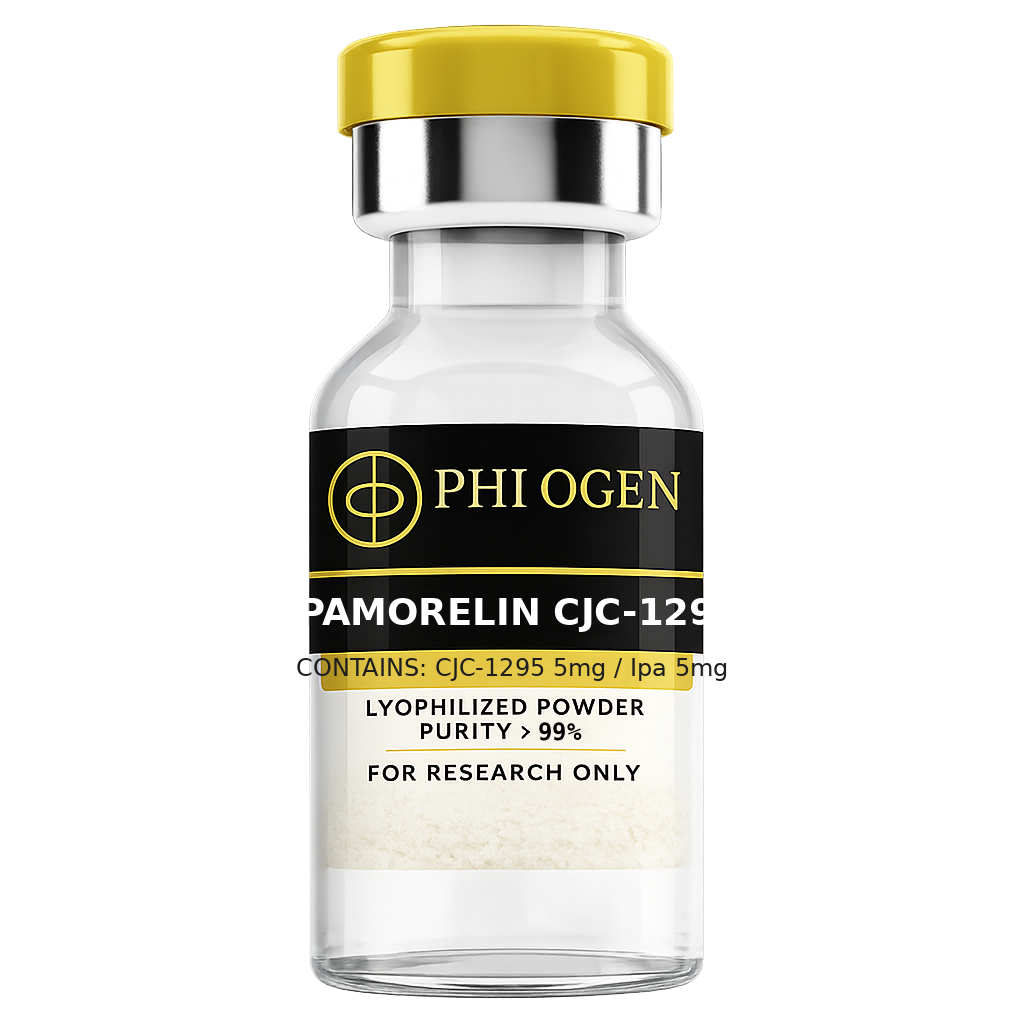
The Core Protocol Stack spans five research layers addressing distinct physiological pathways: Layer 1 — GLP Core (Retatrutide, tri-receptor metabolic research). Layer 2 — Gut Recovery (BPC-157, GI mucosal research). Layer 3 — Skin & Glow (GHK-Cu + SNAP-8, integumentary research). Layer 4 — Lean Mass (CJC-1295/Ipamorelin + IGF-1 LR3, GH axis research). Layer 5 — Longevity (Epithalon + NAD+, cellular aging research). Ten compounds. Eight distinct receptor or pathway families. No mechanism overlap between layers.
Core Protocol Stack — Research Compounds
Research FAQ — Core Protocol
Can each layer be researched independently?
Yes. Each layer uses compounds with distinct, non-overlapping mechanisms. Independent single-layer research is fully valid. The full-stack design enables multi-axis studies, but each layer's compounds are selected to stand alone in their respective research domain.
What is the logic of the layer ordering?
Layer 1 (GLP Core) is the primary metabolic research focus — it drives the most studied outcome in the class. Layers 2–5 are adjunct layers addressing specific downstream research questions that arise in the context of extended GLP protocols: GI mucosal integrity (Layer 2), integumentary response to body composition change (Layer 3), GH axis support during caloric restriction (Layer 4), and cellular aging mechanisms (Layer 5).