The Full Research Protocol
10 compounds. 5 distinct receptor pathway groups. Every layer independently analyzed with published research backing. For laboratory research use only.
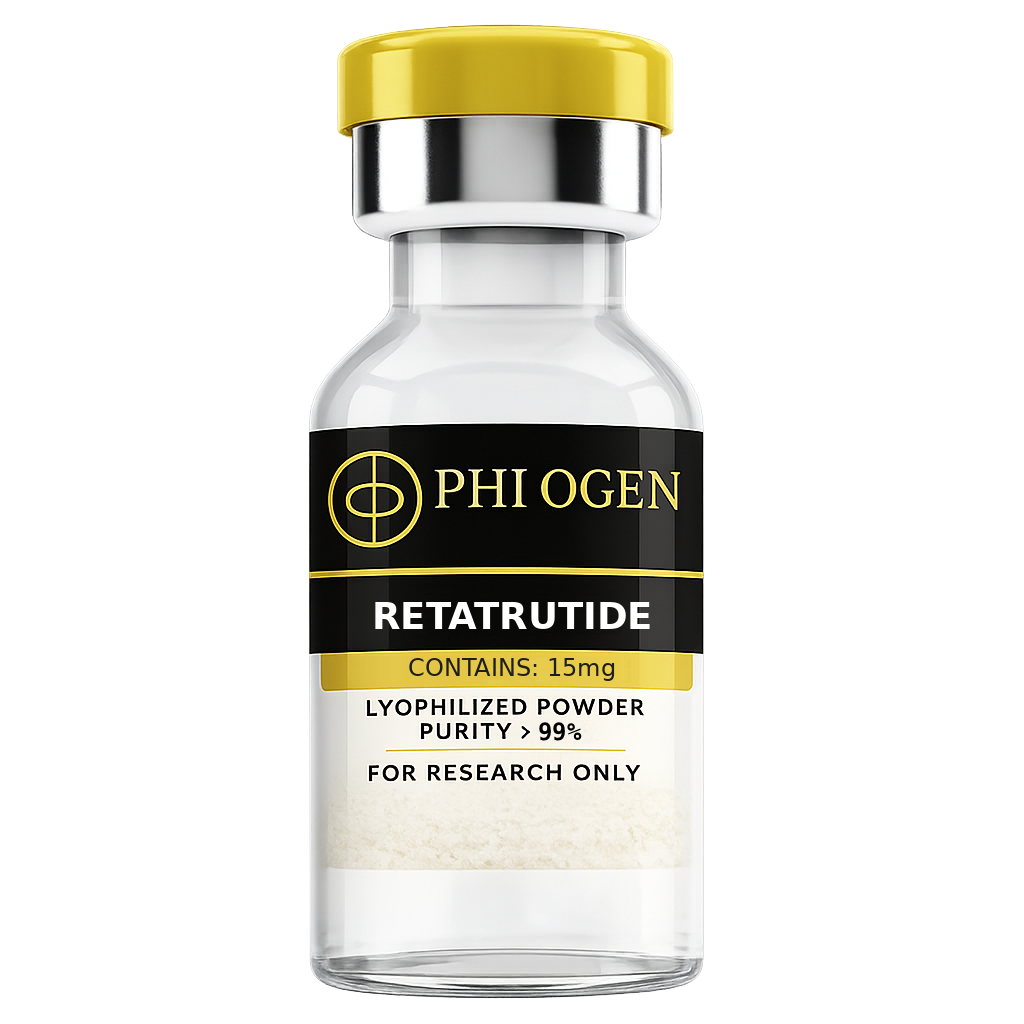
Why This Layer
The tri-receptor mechanism (GLP-1R + GIPR + GcgR) produces synergistic effects no single-receptor compound can replicate. Phase 2 showed −28.7% at 48 weeks — the strongest signal in the GLP agonist class.
Mechanism
GLP-1R: appetite suppression + insulin secretion. GIPR: potentiates insulin + attenuates GLP-1 nausea. GcgR: elevated energy expenditure through thermogenic pathway activation.
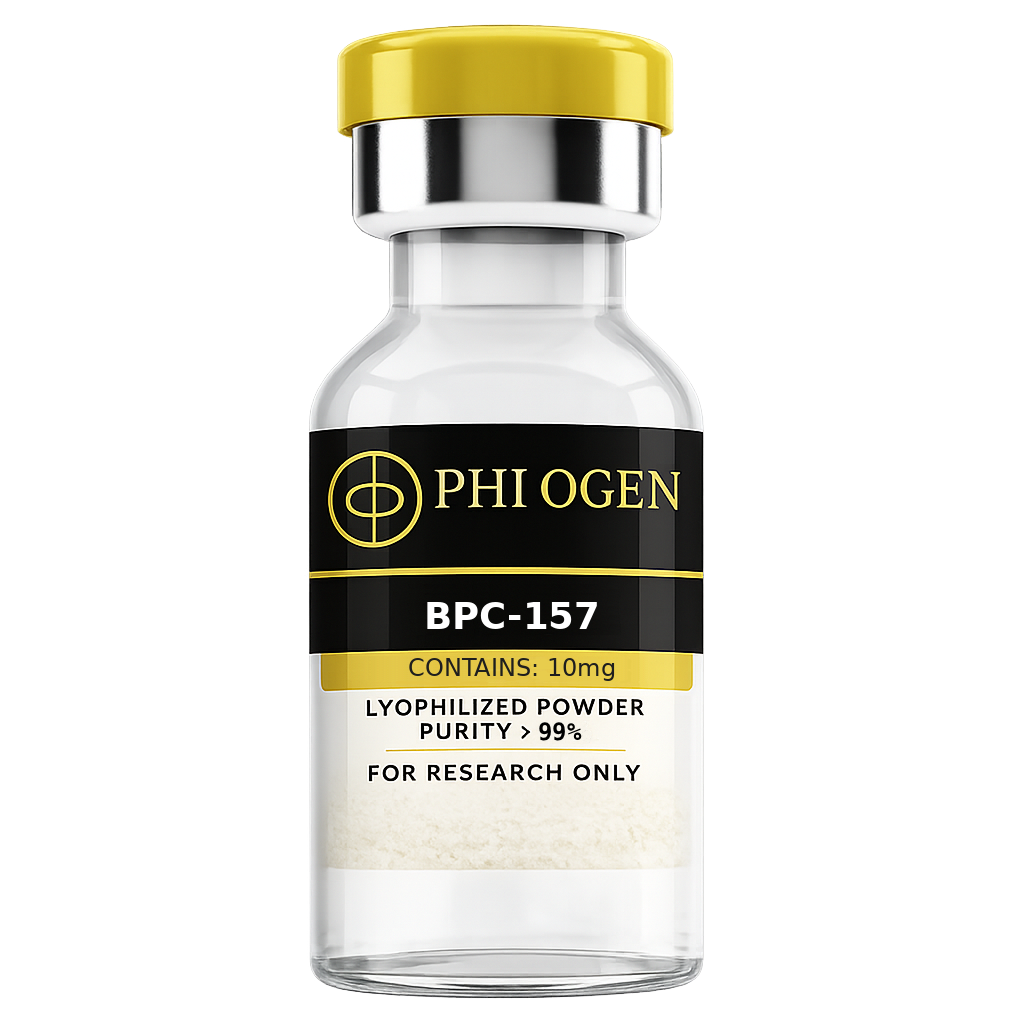
Why This Layer
GLP receptor agonists reduce gastric motility. The gut recovery layer addresses GI mucosal integrity during reduced-intake research phases. BPC-157 has 40+ published studies specifically on GI mucosal mechanisms.
Mechanism
Nitric oxide system modulation, VEGFR2 upregulation, direct mucosal protection effects. Paired with GLP-2 T (Teduglutide) for GLP-2R-mediated epithelial proliferation.
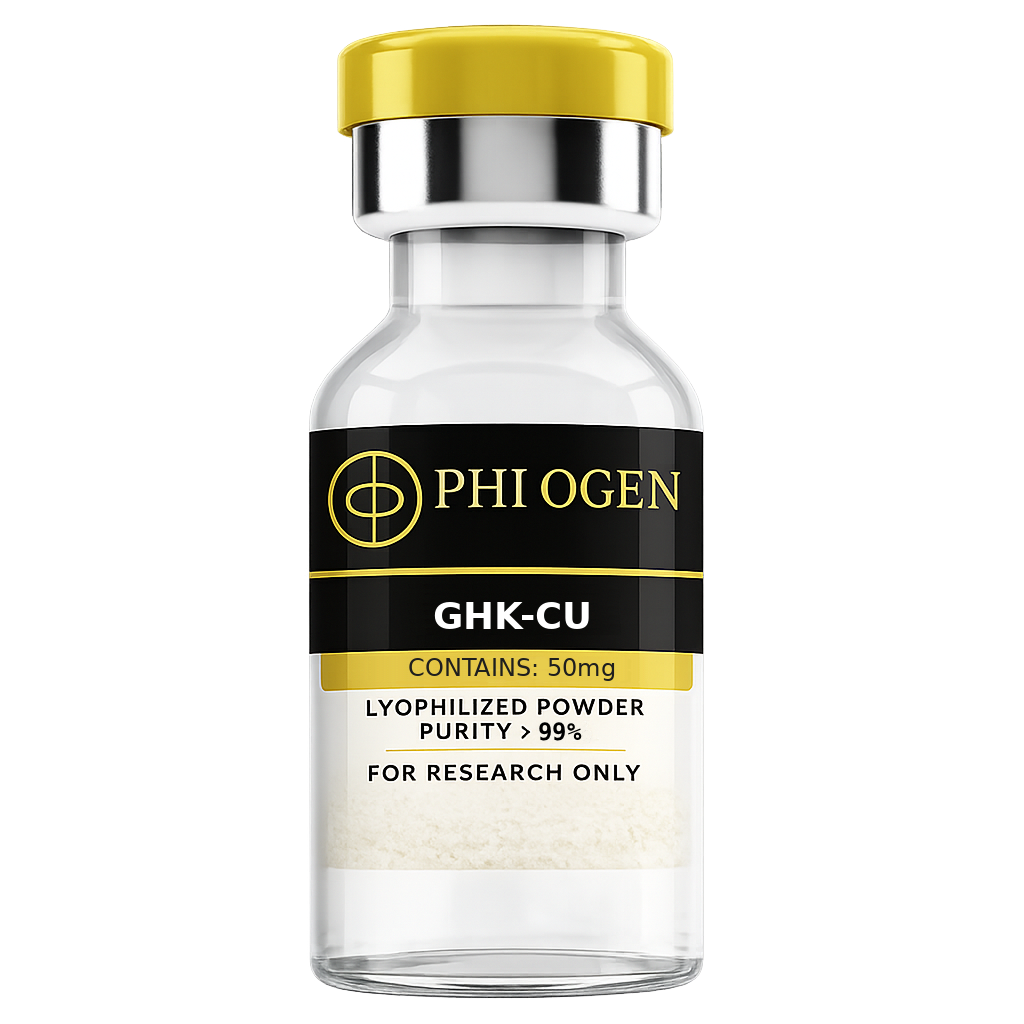
Why This Layer
Body composition changes affect skin architecture. GHK-Cu modulates 4,000+ human genes with a bias toward collagen, elastin, and antioxidant upregulation. SNAP-8 targets the complementary SNARE complex pathway.
Mechanism
GHK-Cu: collagen I/III + elastin gene expression, NF-κB anti-inflammatory modulation. SNAP-8: competitive SNARE complex interaction, neuromuscular junction signaling research.
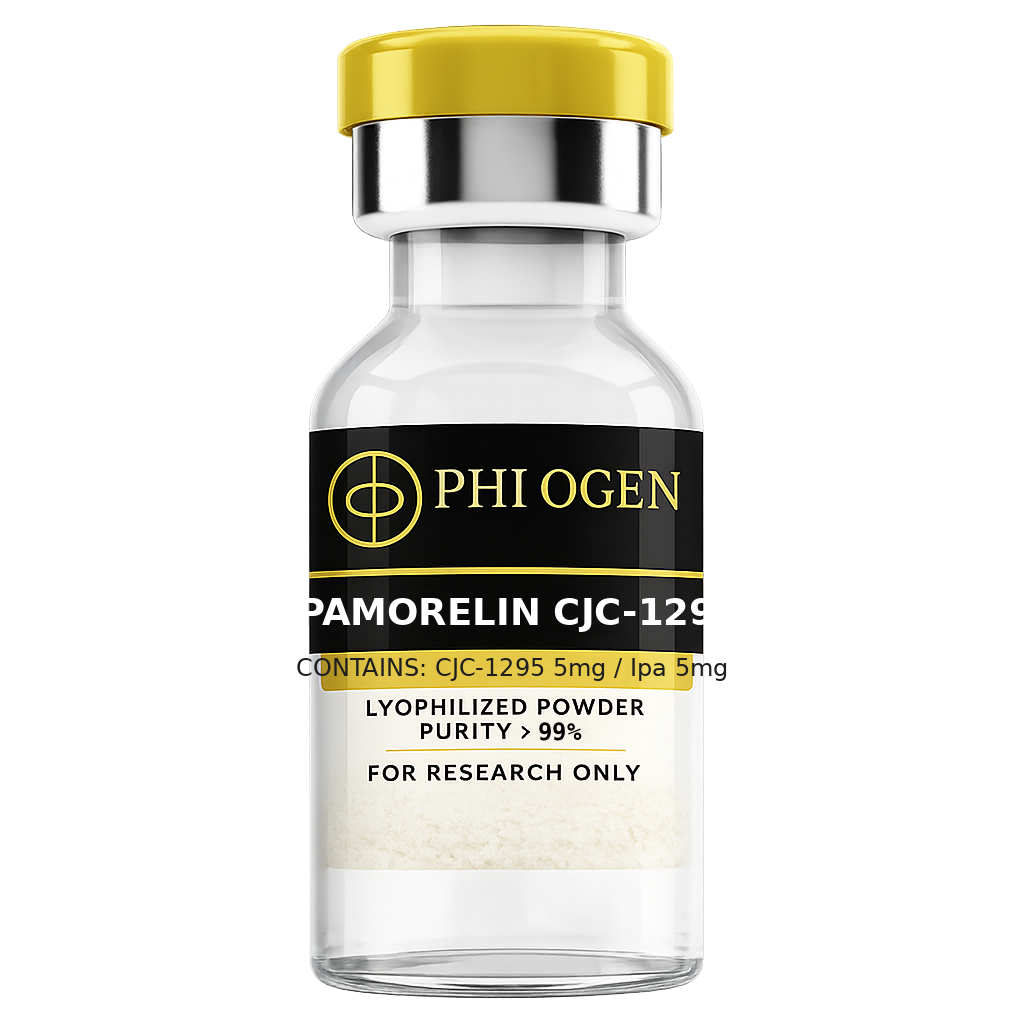
Why This Layer
GLP protocols reduce caloric intake. The lean mass layer researches GH axis support during energetic deficit. CJC-1295/Ipamorelin produces synergistic pulsatile GH secretion; IGF-1 LR3 addresses downstream IGF-1R signaling.
Mechanism
CJC-1295: GHRH receptor agonism (GH pulse amplitude). Ipamorelin: GHS-R1a selective agonism (GH pulse frequency). IGF-1 LR3: extended IGF-1R activation (~3× native half-life).
Why This Layer
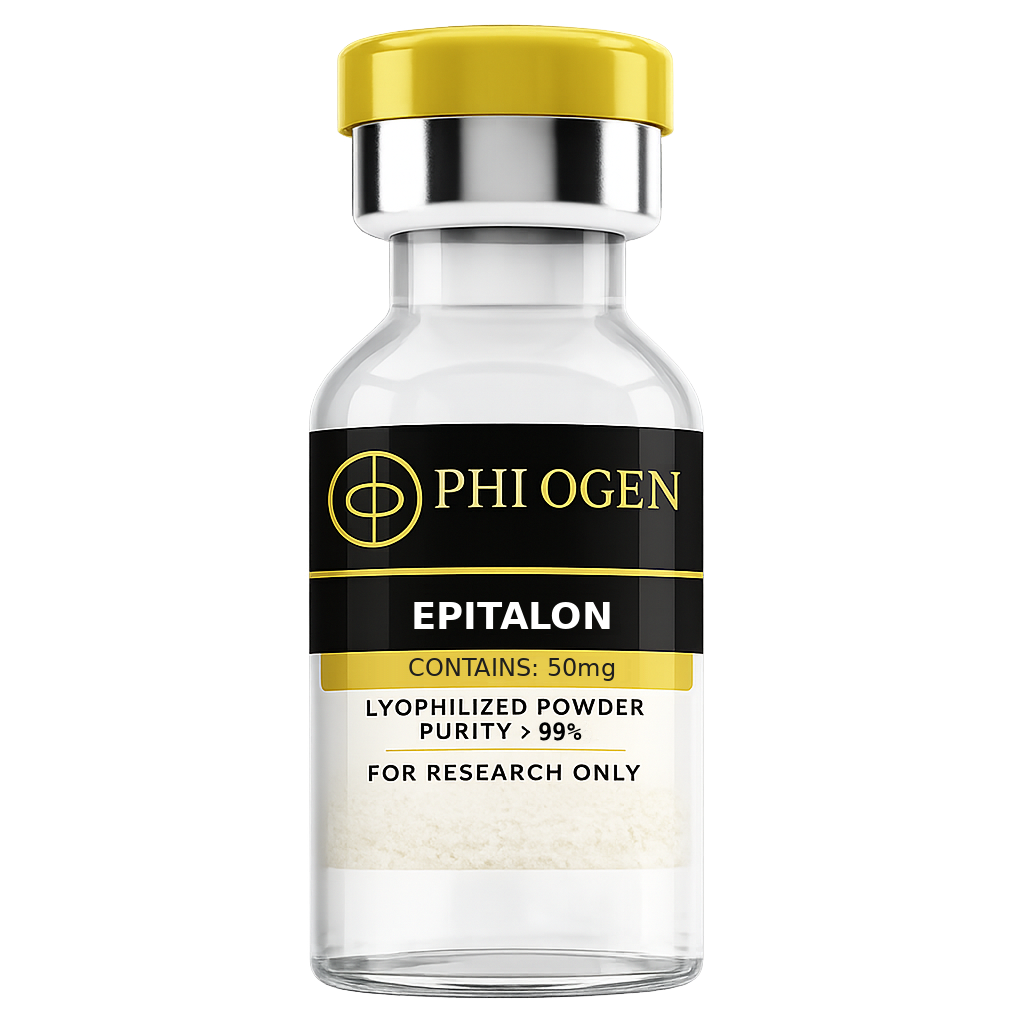
The longevity layer addresses cellular aging mechanisms distinct from all other layers. Epithalon targets telomere biology; NAD+ restores sirtuin and PARP substrate. Both decline approximately 50% by age 60 in human tissue studies.
Mechanism
Epithalon: telomerase (TERT) activation in cellular models. NAD+: sirtuin co-substrate (SIRT1–7 deacylation), PARP-1 substrate for DNA repair, electron carrier in mitochondrial respiration.
Source the Full Stack
All 10 protocol compounds. Research-grade quality. >98% HPLC purity. Third-party test reports.