GLP Receptor Agonists
One, Two, Three Receptors. The Data Follows.
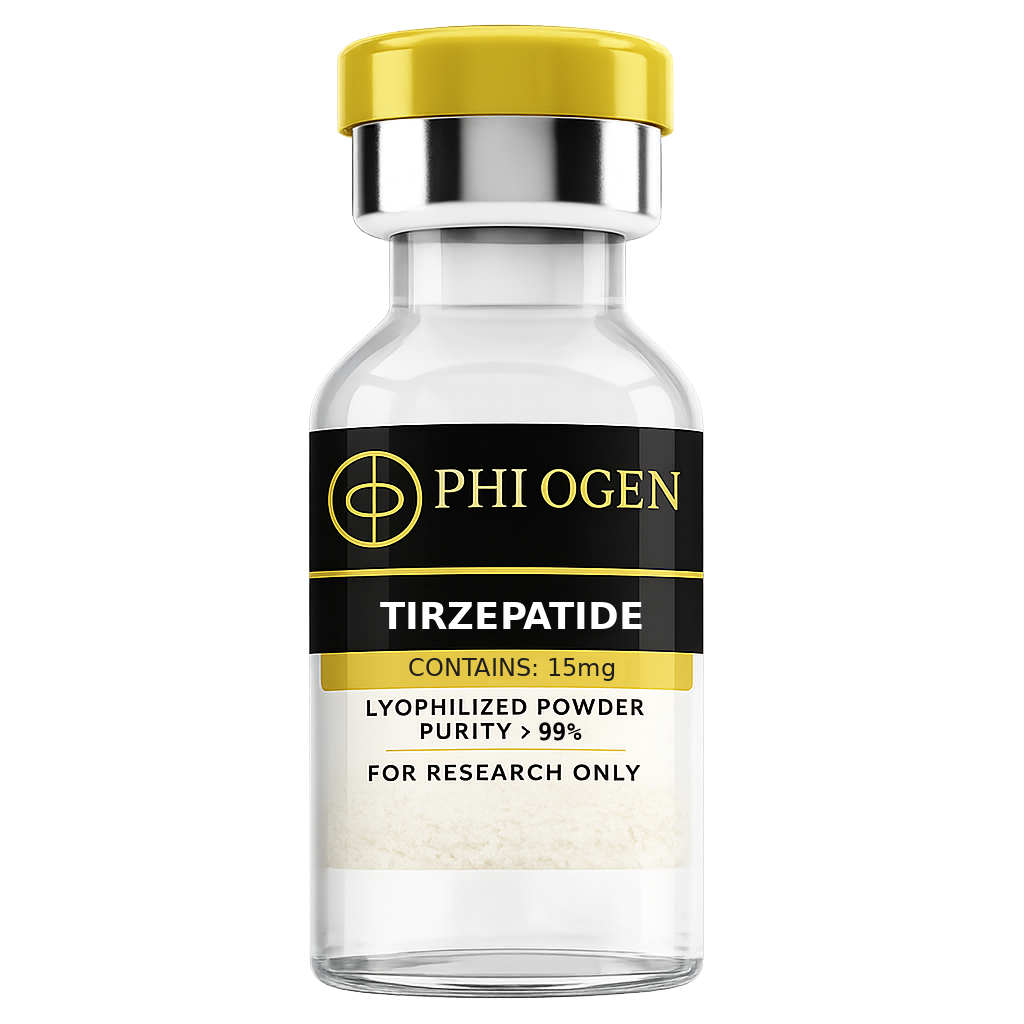
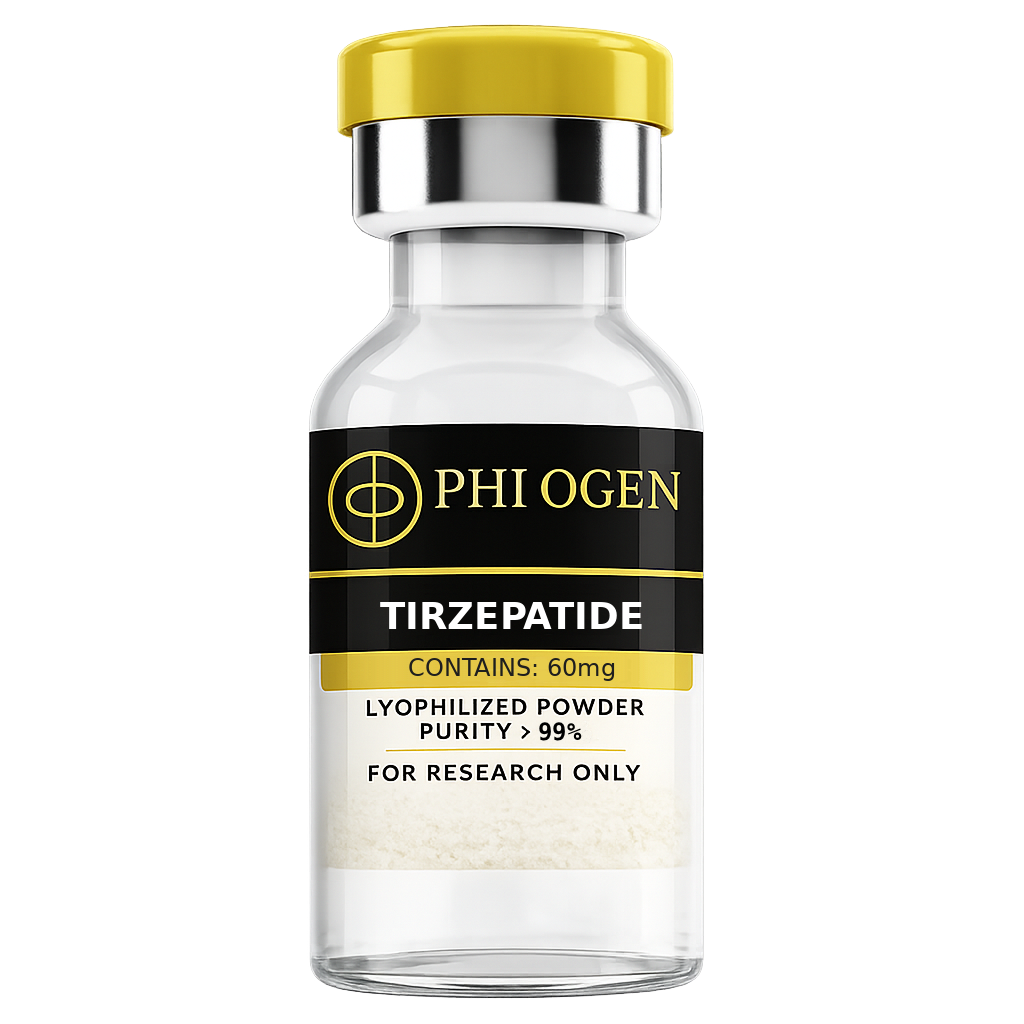
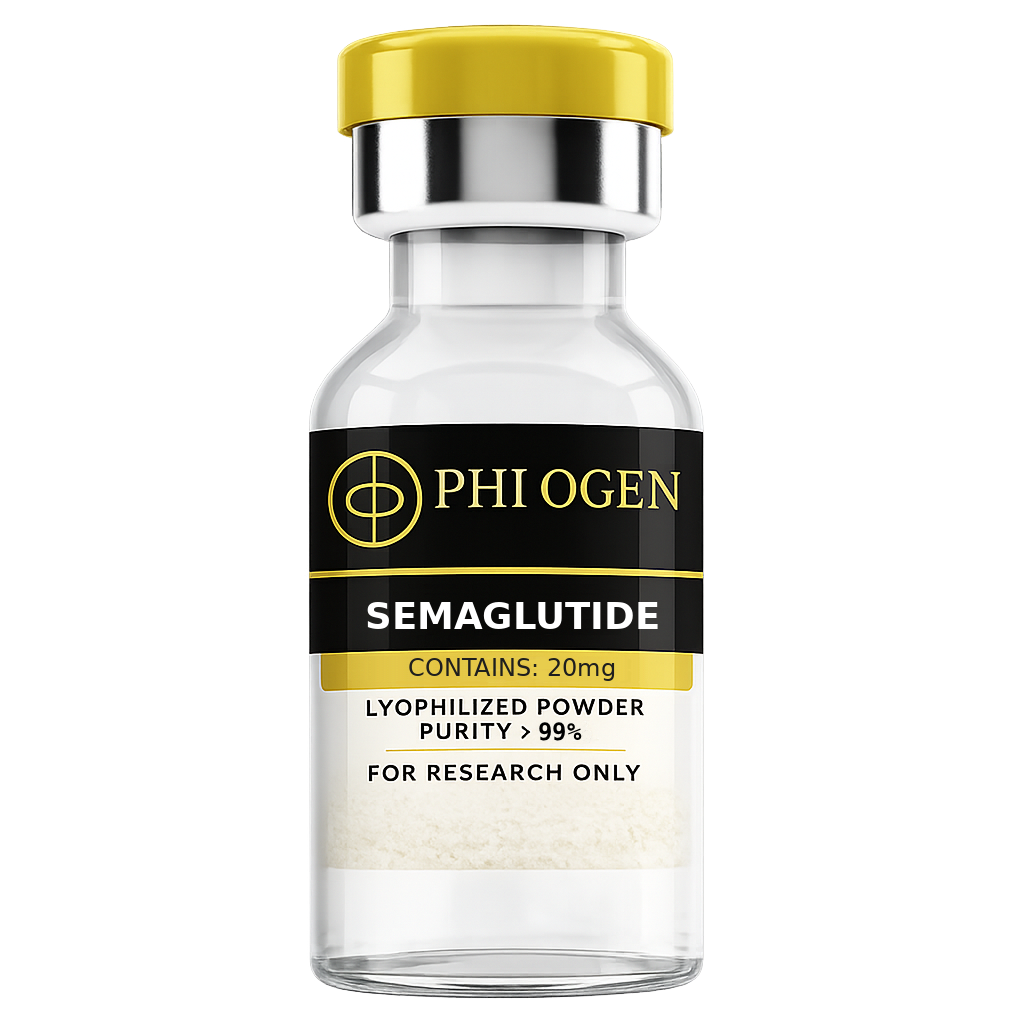
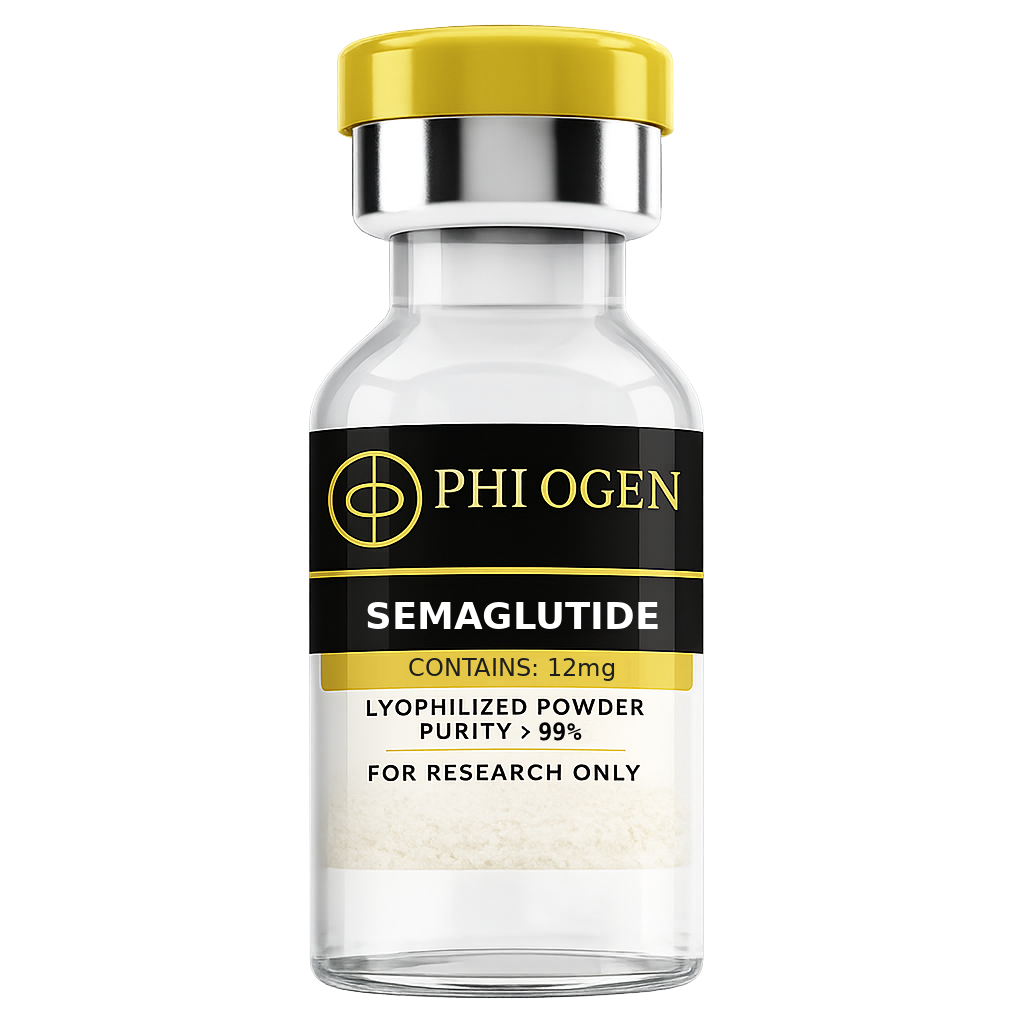
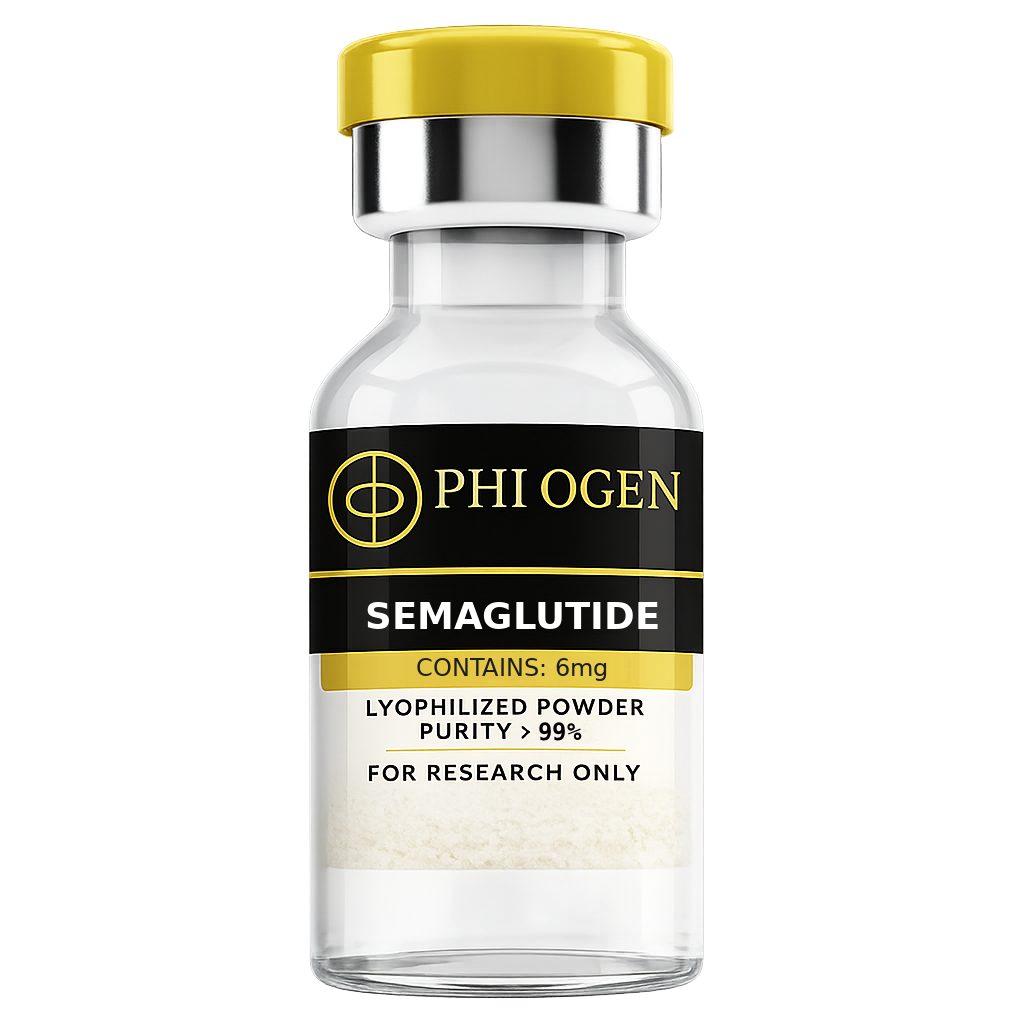
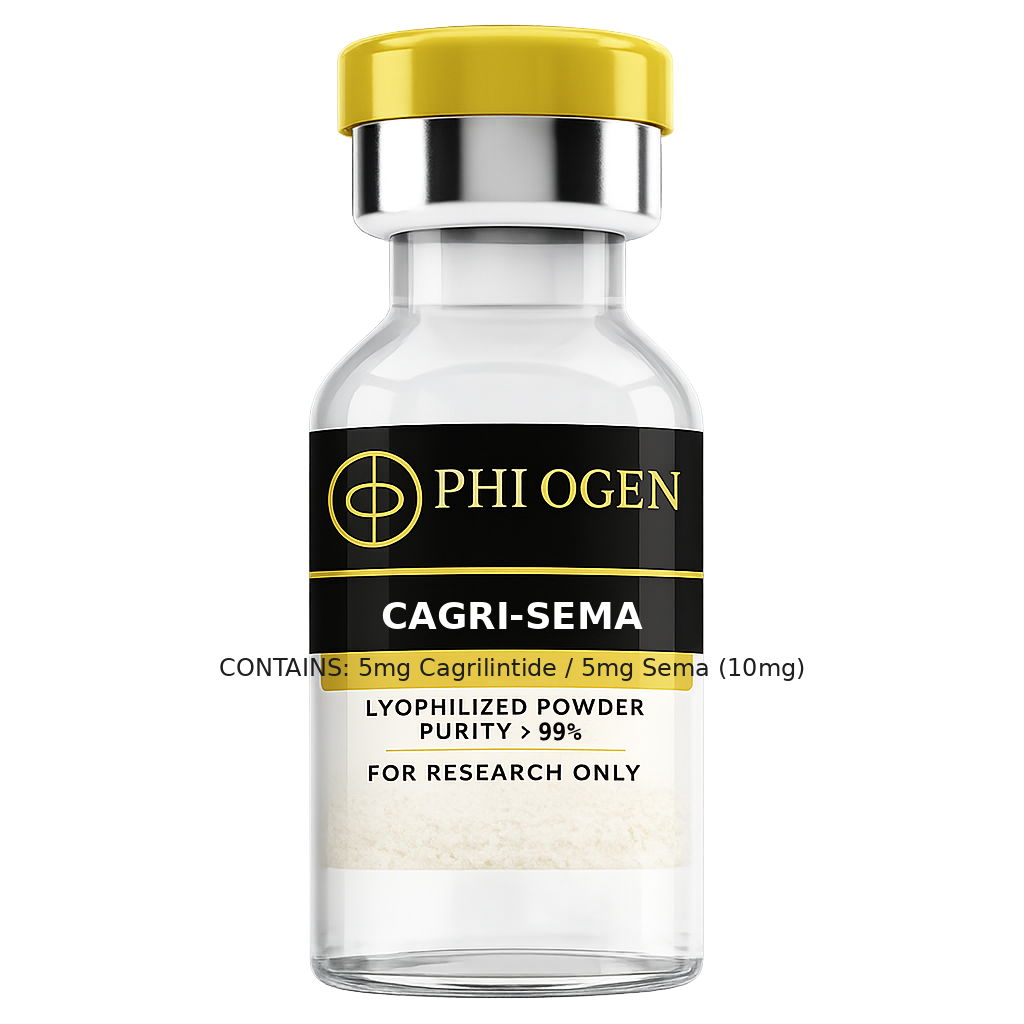
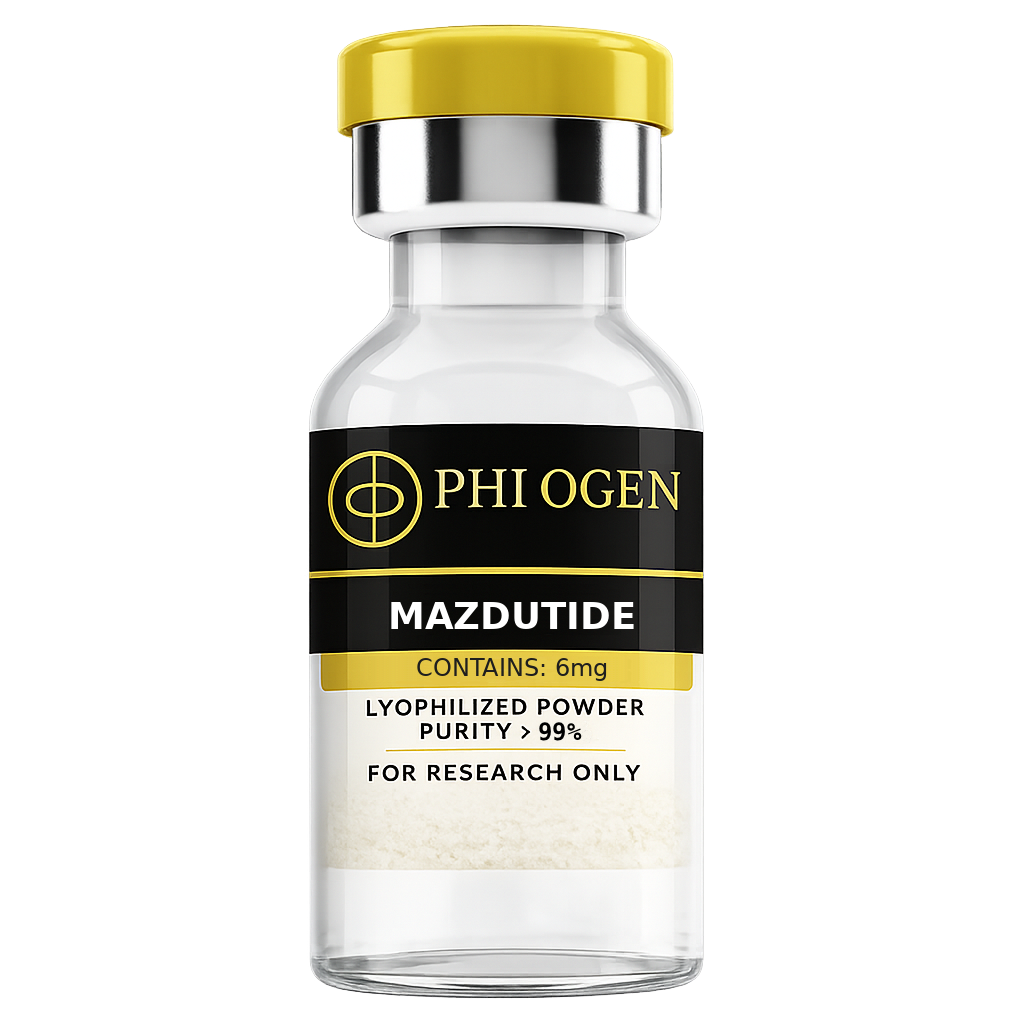
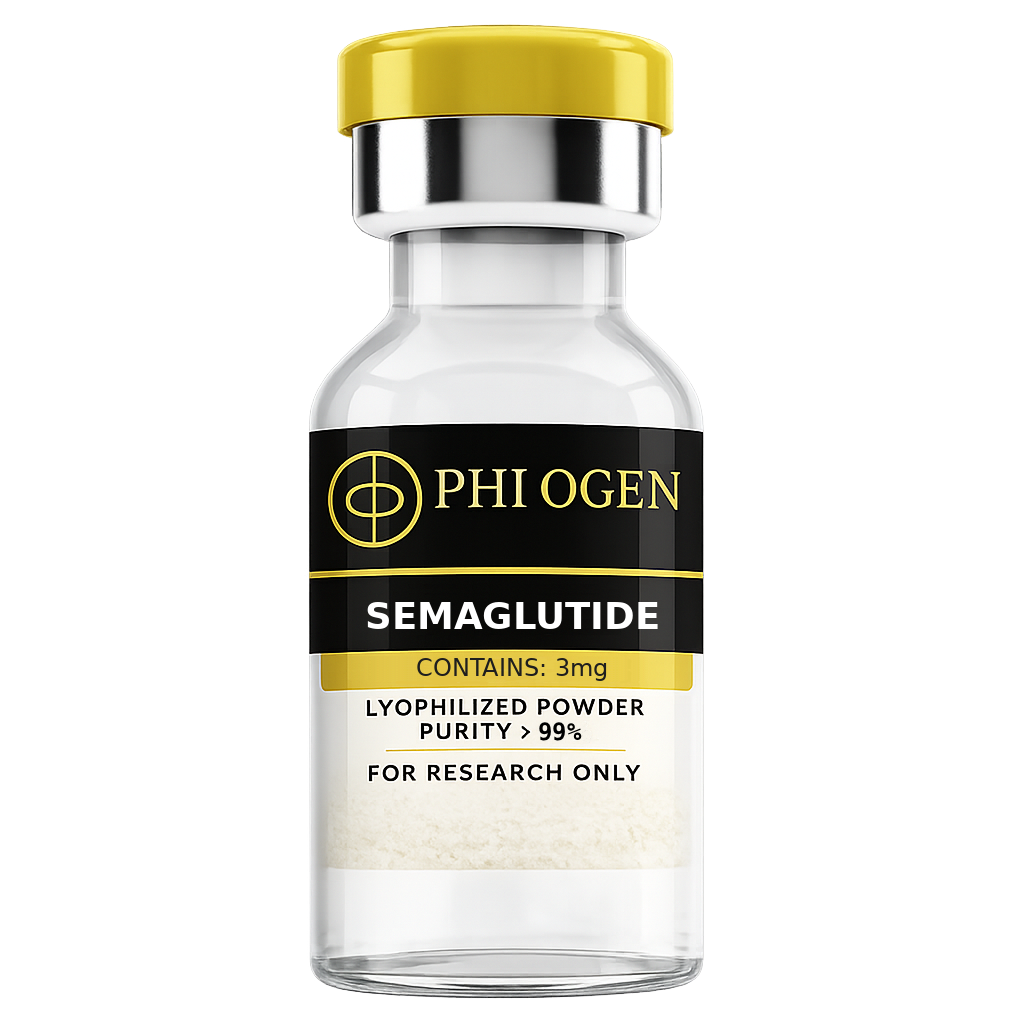
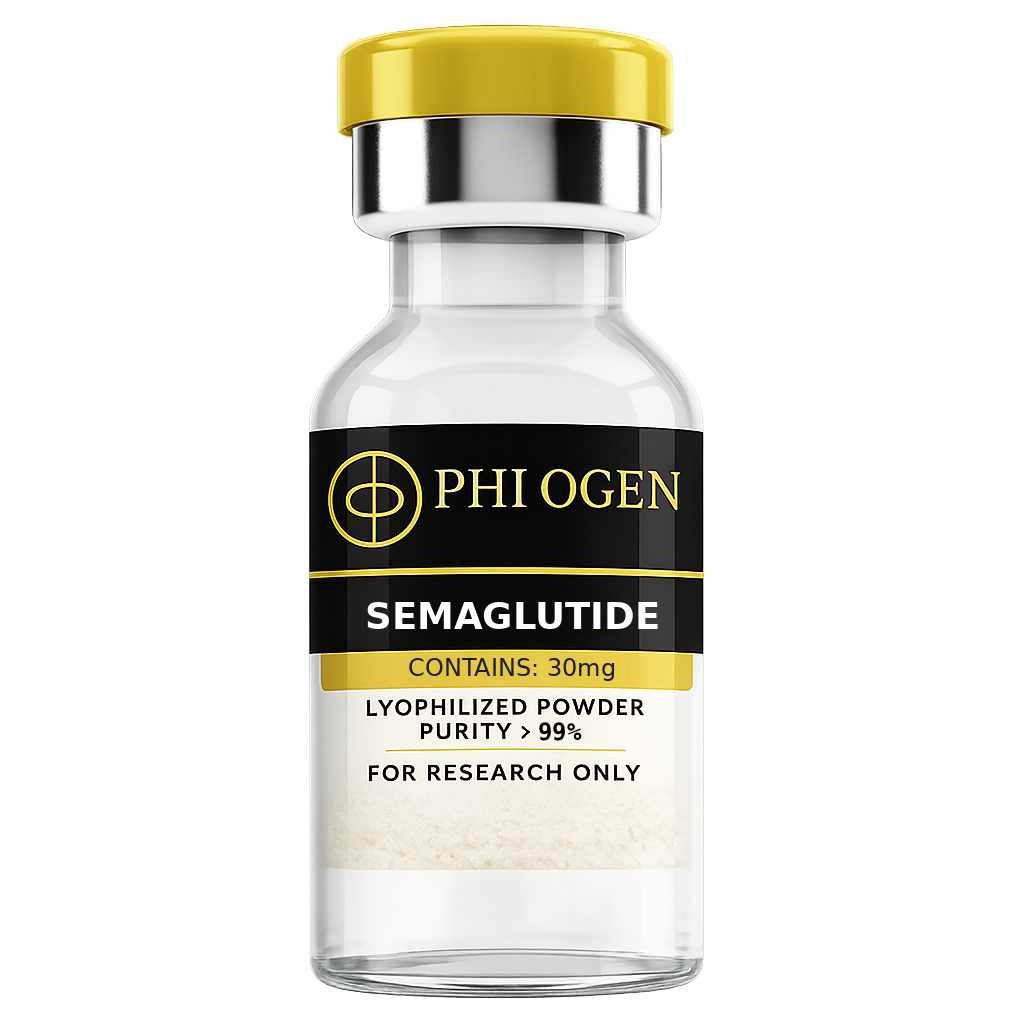
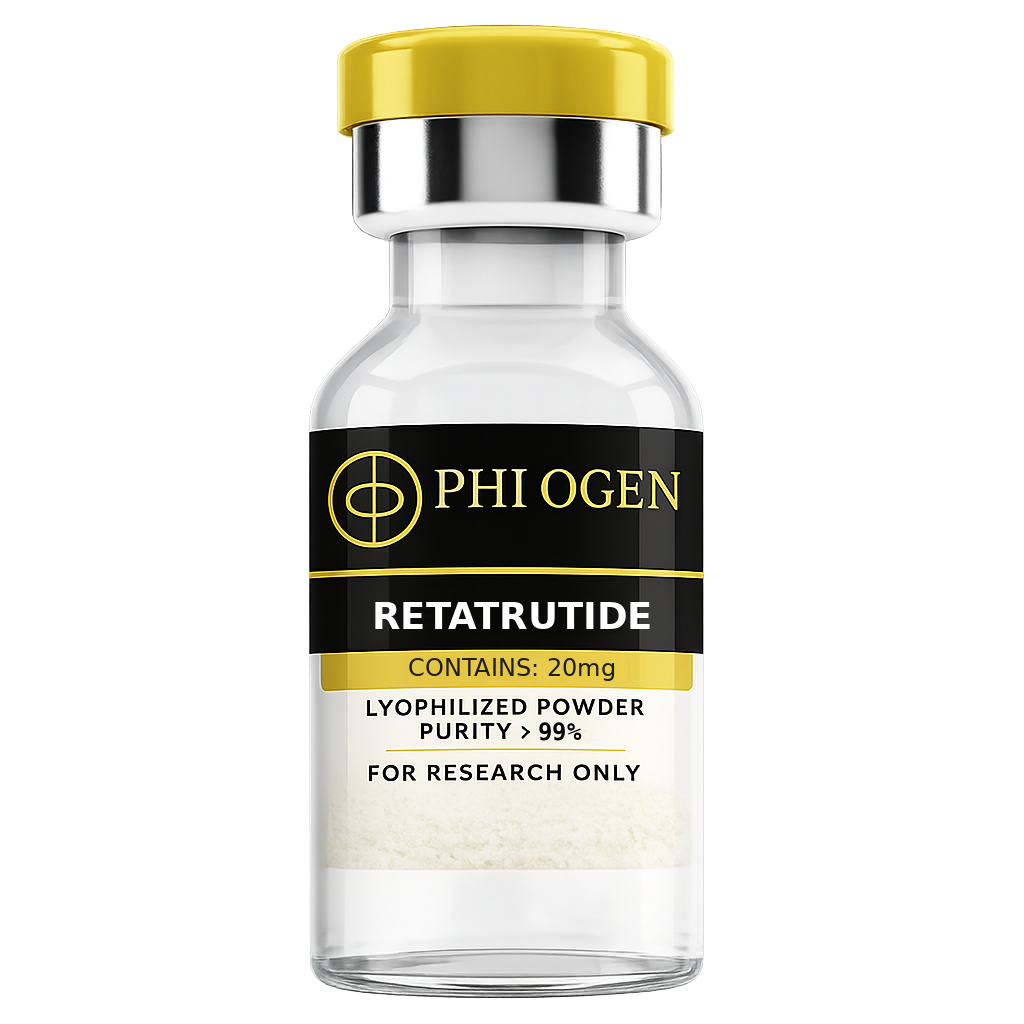
Apollo uses a tier-based naming convention for this class: GLP-1 S (Semaglutide, single GLP-1R), GLP-2 T (Tirzepatide, dual GLP-1R + GIPR), GLP-3 R (Retatrutide, triple GLP-1R + GIPR + GcgR). Each additional receptor axis adds measurable effect in published research — roughly 6–8% per receptor tier in Phase 2/3 data. CagriSema (GLP-1 C + GLP-1 S) adds an amylin receptor pathway alongside GLP-1R.
GLP Receptor Agonists — Research Compounds
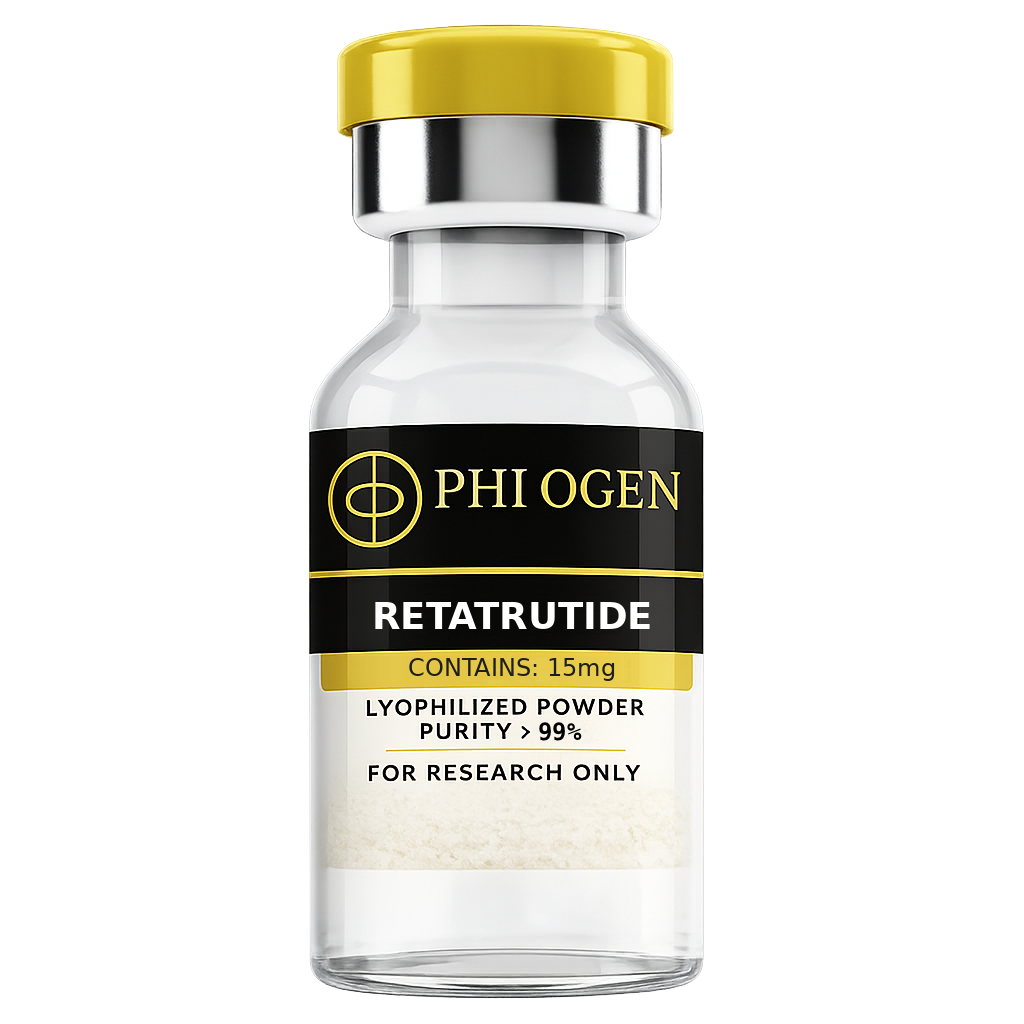
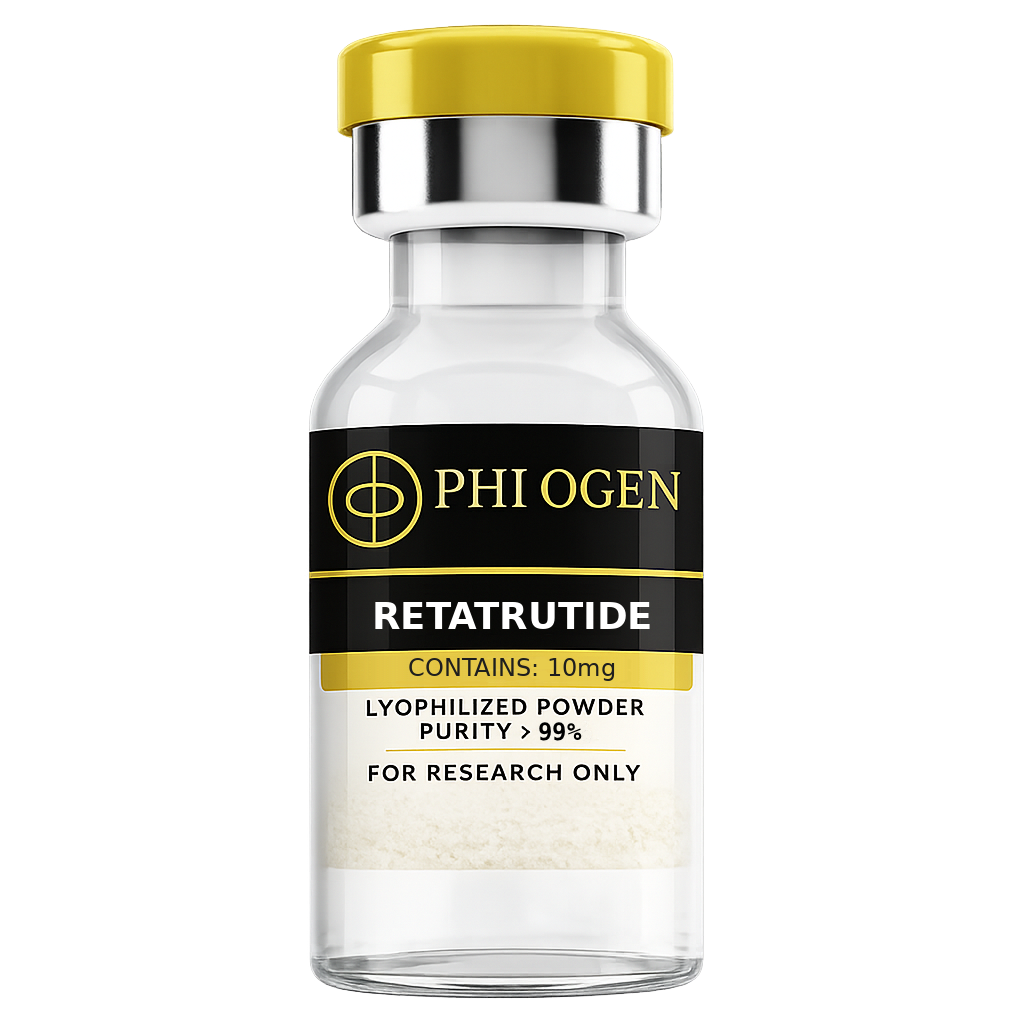
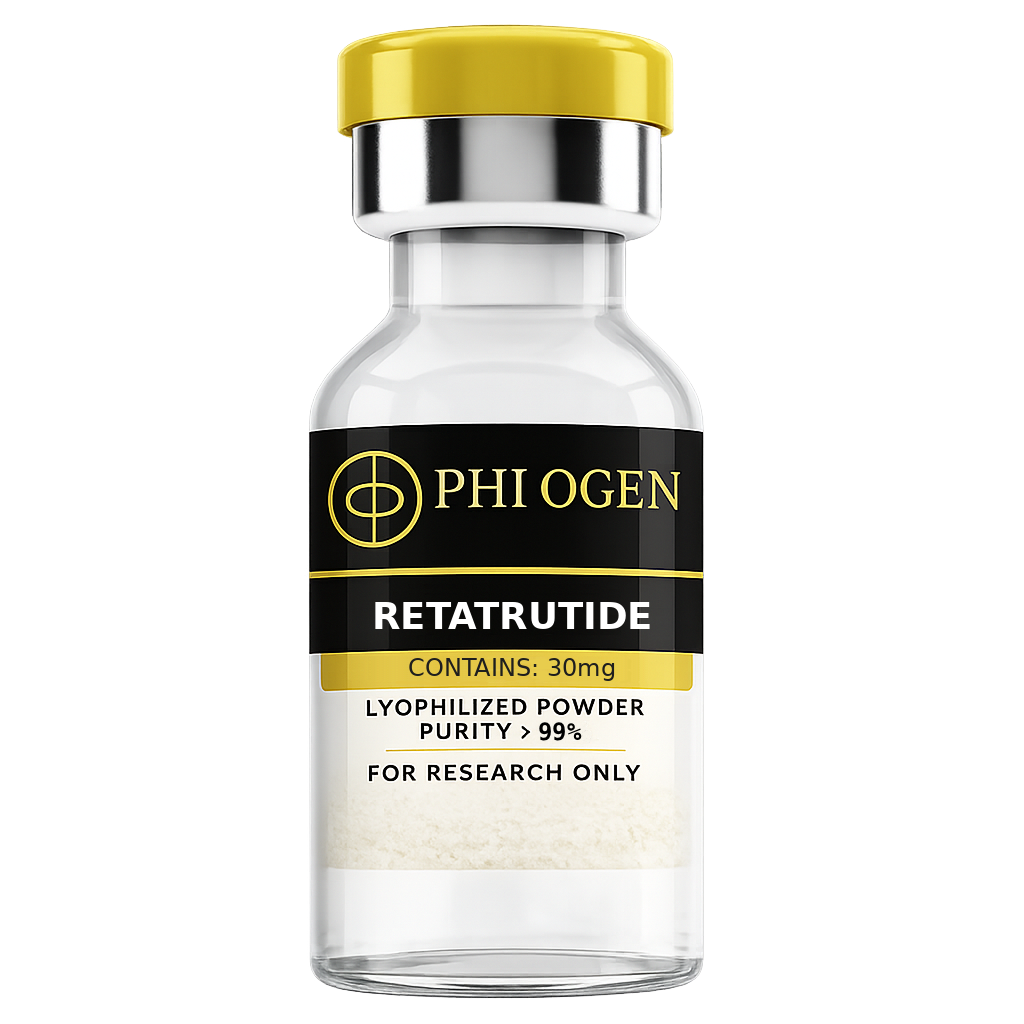
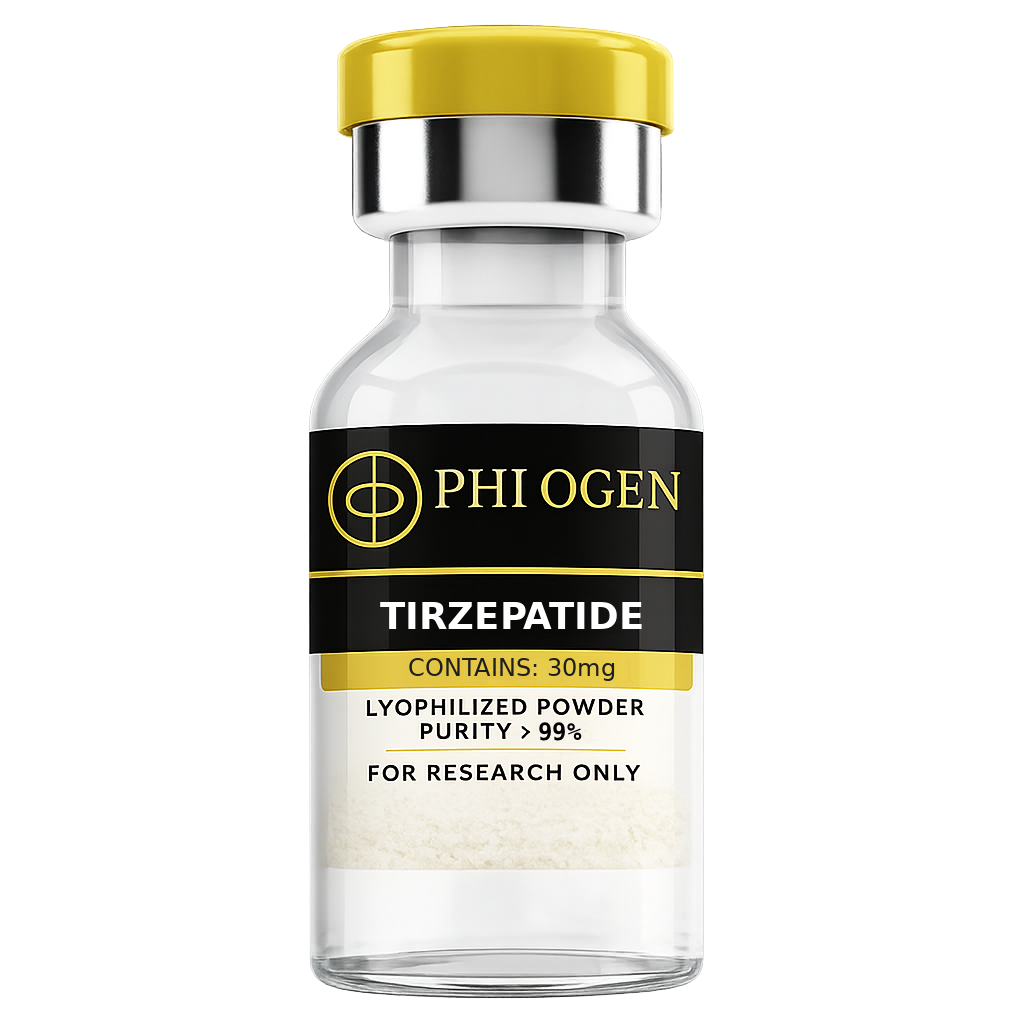
Research FAQ — GLP Agonists
What does GLP-2 T mean — is it a GLP-2 receptor agonist?
No. Apollo's naming convention uses the number to indicate receptor count/tier, not the GLP receptor subtype. GLP-2 T = second tier, Tirzepatide — a dual GLP-1R + GIPR agonist. The "2" refers to two receptors targeted, not the GLP-2 receptor (which is an intestinal trophic receptor, a completely different target).
Why does each additional receptor axis increase the research effect?
Each receptor pathway addresses a distinct aspect of metabolic regulation. GLP-1R drives appetite suppression and insulin secretion. GIPR potentiates insulin response and may attenuate GLP-1 nausea. GcgR adds energy expenditure via hepatic and thermogenic pathways. The pathways are complementary, not redundant — hence additive effects in research data.
What is CagriSema (GLP-1 C + GLP-1 S)?
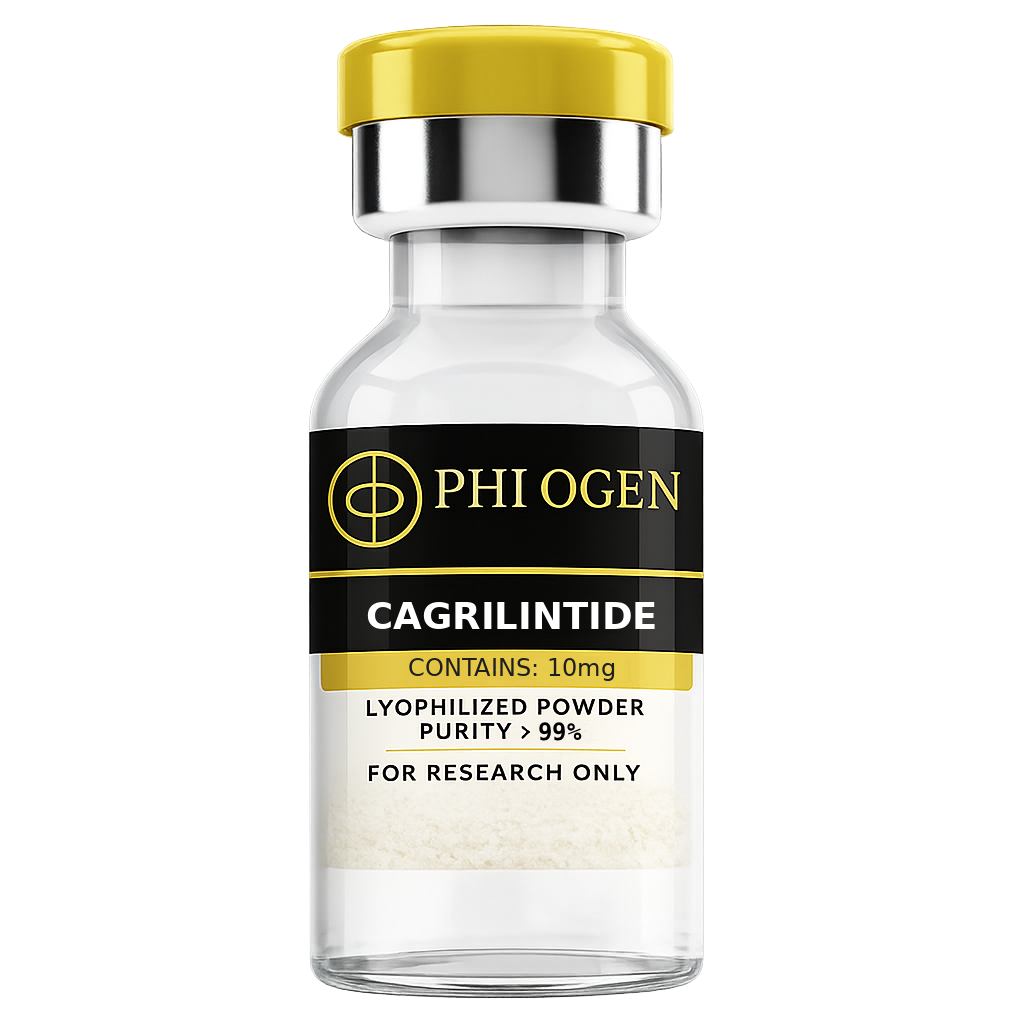
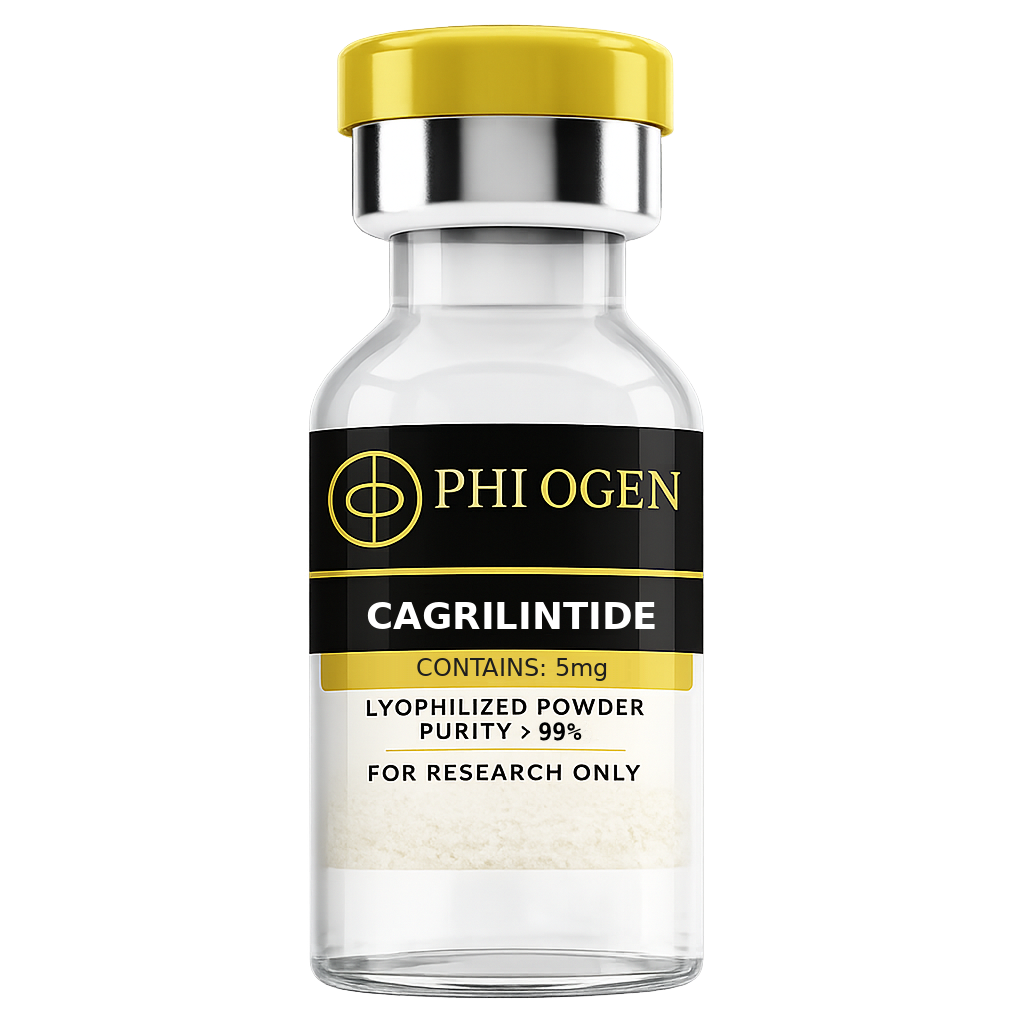
Cagrilintide (GLP-1 C) is a long-acting amylin analog that activates amylin receptors (CALCR/RAMP complexes) in the brainstem and hypothalamus — a distinct satiety pathway from GLP-1R. Combined with Semaglutide (GLP-1 S), the two compounds engage non-overlapping receptor systems simultaneously.