Skin & Glow Peptides
4,177 Genes. Two Compounds.
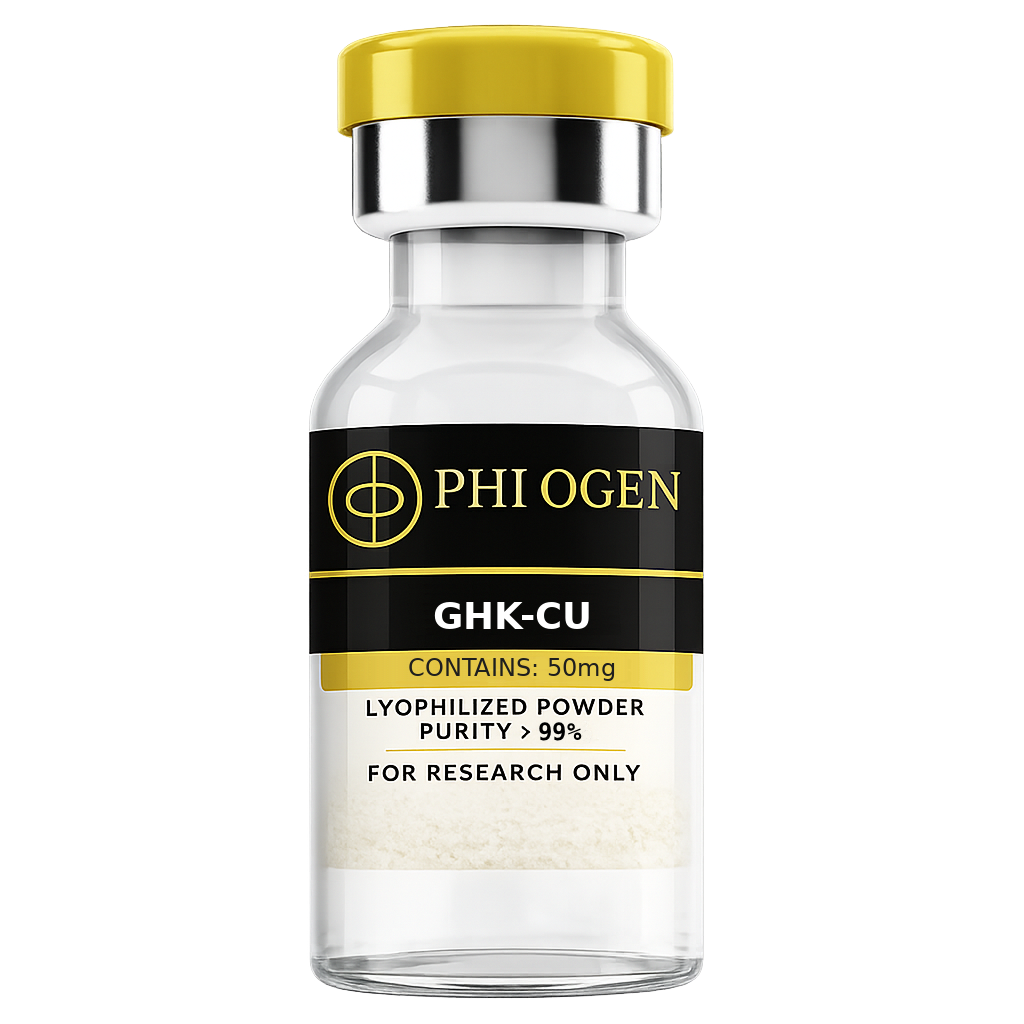
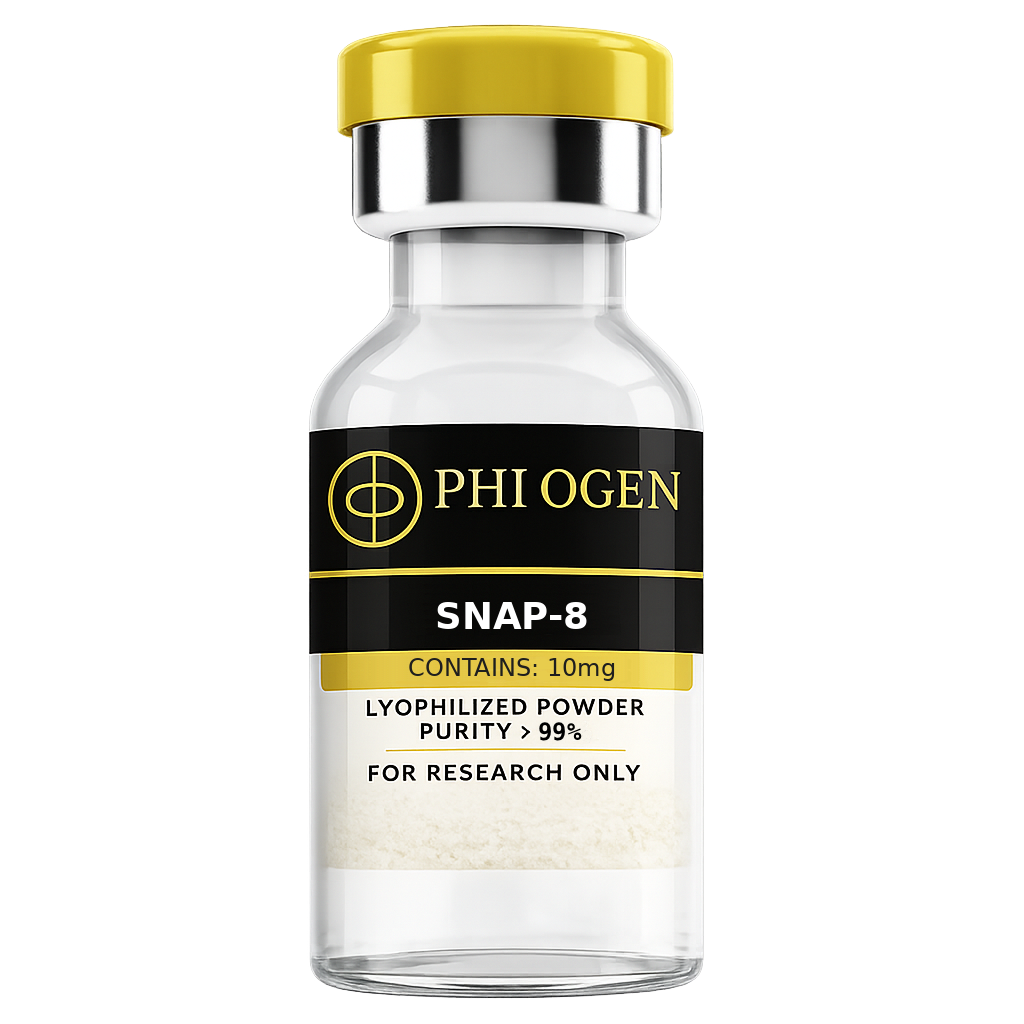
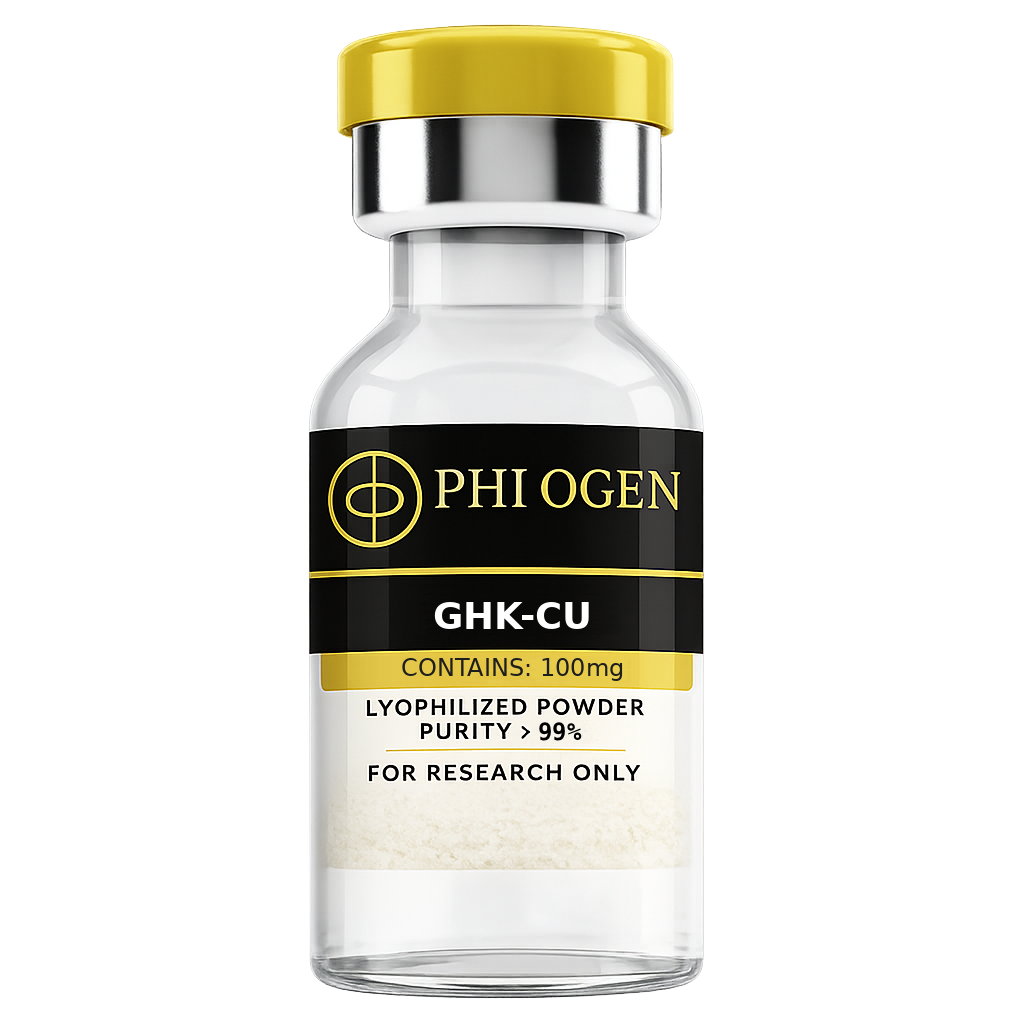
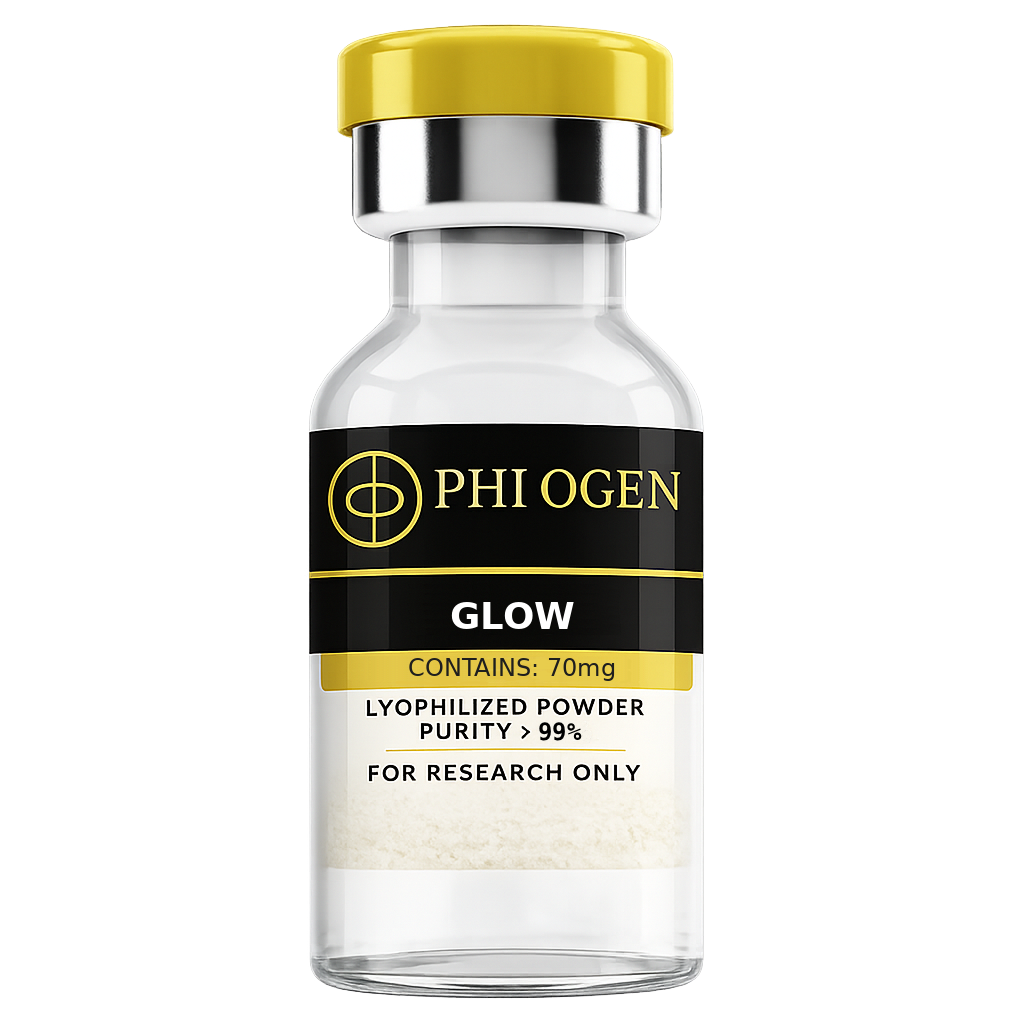
GHK-Cu and SNAP-8 represent the two most research-validated cosmetic peptides available. A 2010 genomic analysis found GHK-Cu modulates 4,177 human genes (~31% of the transcriptome) with a bias toward upregulating collagen, elastin, and antioxidant defense genes. SNAP-8 addresses the complementary neuromuscular junction pathway via competitive SNARE complex interaction — a completely distinct mechanism from GHK-Cu's genomic effects.
Skin & Glow Peptides — Research Compounds
Research FAQ — Skin & Glow
What does "4,177 gene interactions" actually mean?
A 2010 Pickart et al. gene chip analysis exposed human cells to GHK-Cu and measured transcriptomic changes. 4,177 genes showed measurable expression changes — approximately 31% of the human transcriptome. The directional bias is strongly toward tissue repair and anti-inflammatory upregulation, and away from cancer-associated and pro-inflammatory pathways.
How does SNAP-8 work differently from GHK-Cu?
GHK-Cu operates at the genomic level — modulating gene expression in fibroblasts and other cells to increase collagen, elastin, and antioxidant enzyme production. SNAP-8 operates at the neuromuscular junction — competitively interacting with SNARE complex formation to study acetylcholine exocytosis dynamics. The two mechanisms are completely orthogonal, covering different biological axes simultaneously when combined.