Multi-Vial Research Format: Advantages for Extended Study Designs
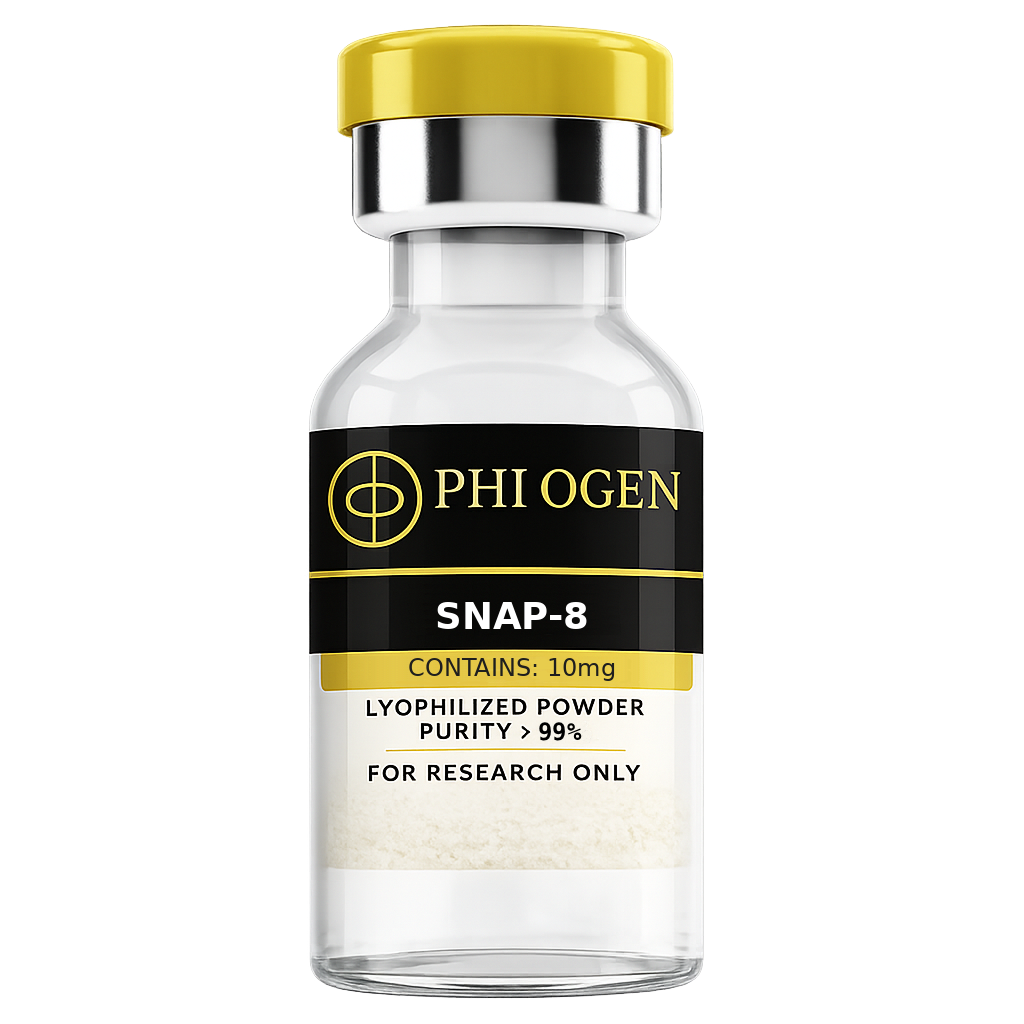
The dual-vial (2-pack) format of SNAP-8 10mg is specifically designed to address the sample size and longitudinal study requirements of more comprehensive research protocols. Single-vial formats provide adequate material for pilot studies and mechanism characterization experiments, but adequately powered dose-response studies, multi-time-point longitudinal experiments, and parallel treatment arm designs routinely require quantities exceeding what a single 10 mg vial provides. The 2-pack format — delivering 20 mg of SNAP-8 (approximately 18.6 µmol total) — bridges this gap while maintaining a single-lot provenance that ensures analytical consistency across all experimental arms.
Single-lot consistency is particularly valuable in peptide research because inter-lot variability in synthesis, purification, and lyophilization can introduce analytical noise that obscures biological signal, especially at the low concentration ranges (100–500 µg/mL) where SNAP-8 biological effects are most relevant. When a research protocol requires multiple preparation dates — as in experiments spanning several weeks — material from the same production lot minimizes the possibility that observed treatment-group differences reflect peptide quality variation rather than genuine biological effects. Researchers designing studies with multiple independent replication cohorts therefore benefit significantly from sourcing all experimental material from a single 2-pack purchase.
Dose-response studies in C2C12 myotube models, for example, typically require a minimum of 5 concentration points tested in triplicate with at least three independent biological replicates (separate differentiation passages). A full dose-response experiment of this design may require 15–25 mg of SNAP-8 in total across all concentration conditions, protocol optimization runs, and quality control dilution series. The 2-pack format provides the necessary quantity with sufficient reserve for unexpected protocol extensions or repeat assays without the analytical complications introduced by switching to a second lot.
Stability Over Extended Storage: Long-Term Research Planning
Research programs of extended duration — spanning multiple months to years — require confidence in peptide stability over storage periods that may exceed the timelines of individual experiments. The stability profile of SNAP-8 in lyophilized form has been systematically characterized under both real-time and accelerated conditions to support long-term research planning. At −20°C in sealed vials under inert atmosphere (nitrogen or argon headspace), lyophilized SNAP-8 shows no measurable degradation by RP-HPLC over 24-month observation periods, with mass spectrometry confirming the intact molecular ion at 1076.16 Da and no evidence of oxidation products, deamidation, or disulfide-related degradation.
The primary degradation pathways identified in accelerated stability studies (40°C/75% RH, ICH Q1A protocol) are methionine oxidation (generating the +16 Da methionine sulfoxide species) and glutamine deamidation (generating the +1 Da isoaspartate conversion product). These pathways proceed at negligible rates at −20°C but accelerate meaningfully above 4°C in aqueous solution, reinforcing the requirement for lyophilized storage. The identification of these specific degradation products is useful for researchers because RP-HPLC methods can be designed with appropriate gradient conditions to resolve these species from the main peak, enabling quality control assessment of stored material before use in biological assays.
For the 2-pack format specifically, stability planning involves the management of the second vial while the first is in active use. Research best practice for multi-vial lots includes maintaining the second vial in fully sealed lyophilized form at −20°C until the first vial's working solutions are exhausted. Opening the second vial into a fresh desiccated environment with immediate nitrogen back-fill before resealing for short-term storage at −20°C preserves analytical integrity. These procedural steps, while straightforward, are important considerations in laboratory protocols for extended research programs using SNAP-8.
Combination Research with GHK-Cu in Skin Peptide Protocols
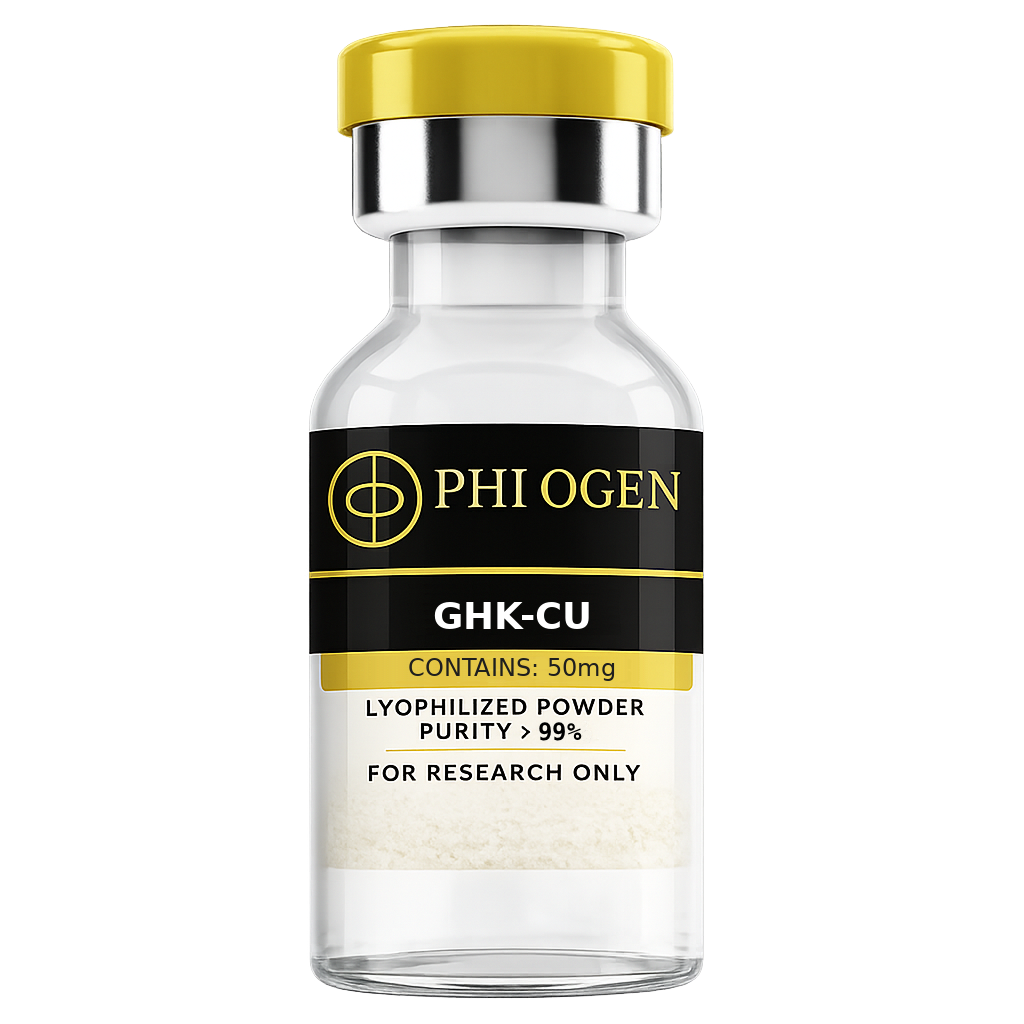
The co-administration of SNAP-8 and GHK-Cu in skin research protocols represents one of the most mechanistically coherent peptide combination strategies in the preclinical literature. The two compounds address fundamentally different and largely non-overlapping aspects of the skin aging phenotype: SNAP-8 targets the dynamic component of expression line formation by attenuating neuromuscular junction-mediated muscle contraction, while GHK-Cu addresses the structural matrix deficit that accumulates over time through fibroblast stimulation, collagen and elastin upregulation, and antioxidant gene network activation. This mechanistic complementarity is the basis for combination research protocols that examine whether the two peptides produce additive or synergistic outcomes in integrated skin biology models.
In vitro combination studies designed to examine SNAP-8 and GHK-Cu co-treatment employ co-culture systems in which neural-muscle co-cultures (providing a system where NMJ function can be assessed) are established on collagen matrices produced by GHK-Cu-stimulated fibroblast layers. This layered model approximates the in vivo architecture of the dermis and NMJ microenvironment and allows simultaneous measurement of both structural endpoints (collagen content, matrix organization by second-harmonic generation microscopy) and functional NMJ endpoints (contraction amplitude by video analysis).
The research hypothesis central to combination protocol design is that a more robust extracellular matrix — produced under GHK-Cu stimulation — may provide a superior mechanical substrate for studying the effects of reduced NMJ activity on long-term tissue morphology. Dynamic mechanical loading of skin equivalent constructs in bioreactor systems, which mimics the cyclic strain of facial expression, produces greater structural fatigue and matrix disorganization in vehicle-treated constructs than in GHK-Cu-pretreated constructs over equivalent loading cycles. Adding SNAP-8 to reduce the amplitude of NMJ-driven loading in these experiments tests whether the mechanical load reduction further augments the matrix-preservation outcome of GHK-Cu treatment.
Synergistic Mechanisms: Dynamic Wrinkling Reduction and Structural Matrix Rebuilding
The concept of synergy in skin peptide research requires careful mechanistic definition to distinguish it from mere additive effects. In the context of SNAP-8 and GHK-Cu combination research, true synergy would be evidenced by combination outcomes exceeding the sum of individual compound effects — a finding that could be explained by mechanistic interdependence between the two pathways rather than independent parallel effects.
One candidate mechanism for synergy involves the relationship between mechanical loading and fibroblast phenotype. Fibroblasts in the dermis respond to mechanical strain through mechanotransduction pathways involving integrin-mediated FAK activation, cytoskeletal tension sensing, and YAP/TAZ mechanosensing transcription factors. Chronic repetitive mechanical loading — such as that generated by repeated facial muscle contraction — produces a pro-degradative fibroblast phenotype characterized by increased MMP secretion and reduced collagen synthesis, a phenomenon termed mechanical aging or strain-induced matrix remodeling. SNAP-8's reduction of contraction amplitude would therefore reduce this strain-mediated pro-degradative signaling, potentially amplifying the matrix-building effects of GHK-Cu beyond what GHK-Cu could achieve against the backdrop of unreduced mechanical load.
Conversely, GHK-Cu's upregulation of matrix structural components may reciprocally improve the tissue context in which SNAP-8 acts. A more organized and mechanically resilient matrix distributes contractile forces more uniformly, reducing peak stress concentrations at tissue attachment points where NMJ-transmitted force is highest. This force distribution improvement could reduce the threshold concentration of SNAP-8 required to achieve a measurable reduction in matrix fatigue, effectively increasing SNAP-8's functional potency in a matrix-rich context. The combination research framework thus proposes a bidirectional synergy — matrix quality improving peptide delivery efficiency, and NMJ modulation reducing the mechanical demand that undermines matrix building — that neither compound alone could generate.
Peptide Cocktail Research Systems: Formulation and Stability Considerations
Research into multi-peptide systems increasingly requires attention to formulation chemistry as a distinct experimental variable. When two or more peptides are co-formulated in a single research preparation — as in a SNAP-8/GHK-Cu cocktail — the physicochemical compatibility of the components must be established to ensure that interactions between peptides do not compromise analytical accuracy or biological interpretation. The primary compatibility concerns for SNAP-8/GHK-Cu combinations are copper-peptide coordination interactions, charge-based aggregation, and competitive adsorption to formulation surfaces.
SNAP-8 contains methionine, glutamine, arginine (×2), aspartate, and glutamate residues, several of which present potential copper coordination ligands (particularly the methionine thioether sulfur and the aspartate carboxylate). Isothermal titration calorimetry studies comparing GHK-Cu to free Cu²⁺ in the presence of SNAP-8 confirm that GHK-Cu does not transfer copper to SNAP-8 under physiological pH conditions, consistent with the 10⁻¹⁴ M Kd of the GHK-Cu complex being approximately 6–8 orders of magnitude tighter than the expected copper affinity of SNAP-8's weaker coordination sites. This stability differential provides reasonable assurance that co-formulation does not compromise GHK-Cu integrity.
Aggregate formation screening by dynamic light scattering (DLS) in candidate co-formulation buffers shows no evidence of increased polydispersity index or particle formation at relevant peptide concentrations (each at 0.5 mg/mL) in phosphate-buffered saline or acetate buffer at pH 5.5–6.0 over 48 hours at 4°C. These compatibility data support the feasibility of single-preparation co-formulation for research use, though formal stability data at broader concentration ranges and in more complex vehicles (emulsions, hydrogels) require investigation specific to each proposed formulation architecture.
Longitudinal Study Design Considerations for Multi-Peptide Research
The design of longitudinal research studies using SNAP-8 and GHK-Cu in combination introduces methodological considerations that are distinct from single-time-point or acute-exposure experiments. Longitudinal skin biology research protocols typically involve repeated application of test compounds over weeks to months, with assessment of structural and functional endpoints at multiple time points to characterize the trajectory of treatment effects. The 2-pack SNAP-8 format is directly relevant here, as longitudinal protocols require material consistency across all time points to isolate treatment effects from inter-lot variability.
Power analysis for longitudinal skin biology experiments using ex vivo human skin equivalents or in vivo rodent skin models typically identifies minimum sample sizes of 6–12 replicate units per treatment group when detecting effect sizes in the moderate range (Cohen's d of 0.5–0.8) with 80% power at a two-tailed alpha of 0.05. Multi-time-point designs with 4–6 assessment intervals and matched controls for both single-compound and combination treatment arms therefore commonly require 40–60 total experimental units. Material planning for these designs needs to account for both the research preparation quantities and quality control characterization samples, making the 2-pack supply format practically important for study completion without lot interruption.
Washout study designs, which assess the reversibility of combination treatment effects following cessation of compound application, add further material demand and are particularly informative for understanding the temporal dynamics of SNAP-8's competitive mechanism versus GHK-Cu's more durable gene expression and structural matrix effects. These reversibility studies are mechanistically important because they allow experimental separation of acute functional changes (expected to reverse rapidly with SNAP-8 washout) from sustained structural remodeling (expected to persist beyond GHK-Cu washout as incorporated matrix components turn over slowly). The design and execution of such studies with adequate material, consistent lot provenance, and appropriate analytical sensitivity represents the full research utility of the 2-pack supply format.
Analytical Methods for Multi-Peptide Research Sample Analysis
Analytical method development for research samples containing both SNAP-8 and GHK-Cu presents specific challenges related to the distinct physicochemical properties of the two compounds and the requirement to quantify each independently in complex biological matrices. Standard RP-HPLC methods used for single-compound SNAP-8 purity analysis are not directly applicable to GHK-Cu co-formulations because GHK-Cu's copper-chelated form exhibits different chromatographic behavior than the free tripeptide, and the copper center can interact with stainless steel HPLC components, producing peak tailing and carryover artifacts.
A validated analytical strategy for SNAP-8/GHK-Cu research samples involves separation by size-exclusion chromatography (SEC) for initial assessment of aggregation state of both peptides, followed by independent quantification using methods specific to each compound: LC-MS/MS with multiple reaction monitoring (MRM) transitions for SNAP-8 (using the characteristic m/z transitions at [M+2H]²⁺ 539.1 → 302.1 and 539.1 → 674.2 Da) and copper-specific ICP-MS for GHK-Cu, combined with UV absorption at 254 nm for the imidazole chromophore of histidine in the GHK peptide. This multi-method approach provides independent verification of both components without interference artifacts from their co-presence.
Biological matrix sample preparation for these analyses requires optimization of protein precipitation and dilution conditions to achieve adequate analyte recovery. Acetonitrile precipitation at 70% final concentration produces good recovery of SNAP-8 (greater than 85%) from cell culture medium and tissue homogenates but requires subsequent pH adjustment before copper analysis to avoid ICP-MS matrix interference. The development and cross-validation of these analytical methods in the context of combination research represents a methodological contribution that improves reproducibility and comparability across independent research groups using SNAP-8 and GHK-Cu co-treatment protocols.
Research Documentation and Regulatory Compliance for Combination Studies
Research involving multi-peptide protocols that combine SNAP-8 and GHK-Cu requires thorough documentation practices consistent with the institutional and regulatory frameworks governing preclinical research. The compound sourcing, lot characterization, preparation records, and experimental use logs for each component must be maintained independently and cross-referenced in study records to ensure complete traceability of material provenance. This documentation infrastructure is particularly important for combination studies because the interpretation of combined treatment effects depends critically on confidence that the individual components were accurately characterized, properly stored, and correctly prepared.
Certificate of Analysis (CoA) documentation for research-grade peptides should be retained for each vial used, including: identity confirmation by mass spectrometry, purity by RP-HPLC, endotoxin content by LAL assay (particularly important for in vitro and in vivo biological studies where endotoxin contamination could confound inflammatory and cytokine endpoint measurements), and sterility or bioburden testing for preparations intended for in vivo use. The 2-pack format, by ensuring single-lot provenance, simplifies CoA documentation by requiring retention of a single reference document across all experimental uses.
For in vivo combination studies, institutional animal care and use committee (IACUC) protocols must specifically address the co-administration of multiple investigational compounds, including justification of dosing rationale, route of administration compatibility, and expected pharmacokinetic interactions. The non-overlapping mechanisms of SNAP-8 and GHK-Cu — one targeting presynaptic NMJ machinery, the other targeting fibroblast gene expression and copper enzyme activation — simplifies the scientific justification for combination use and reduces concerns about pharmacodynamic interactions at the safety level. Proper documentation of these considerations, supported by the mechanistic research literature reviewed elsewhere in this product documentation, provides the regulatory and scientific foundation for well-designed combination research programs.