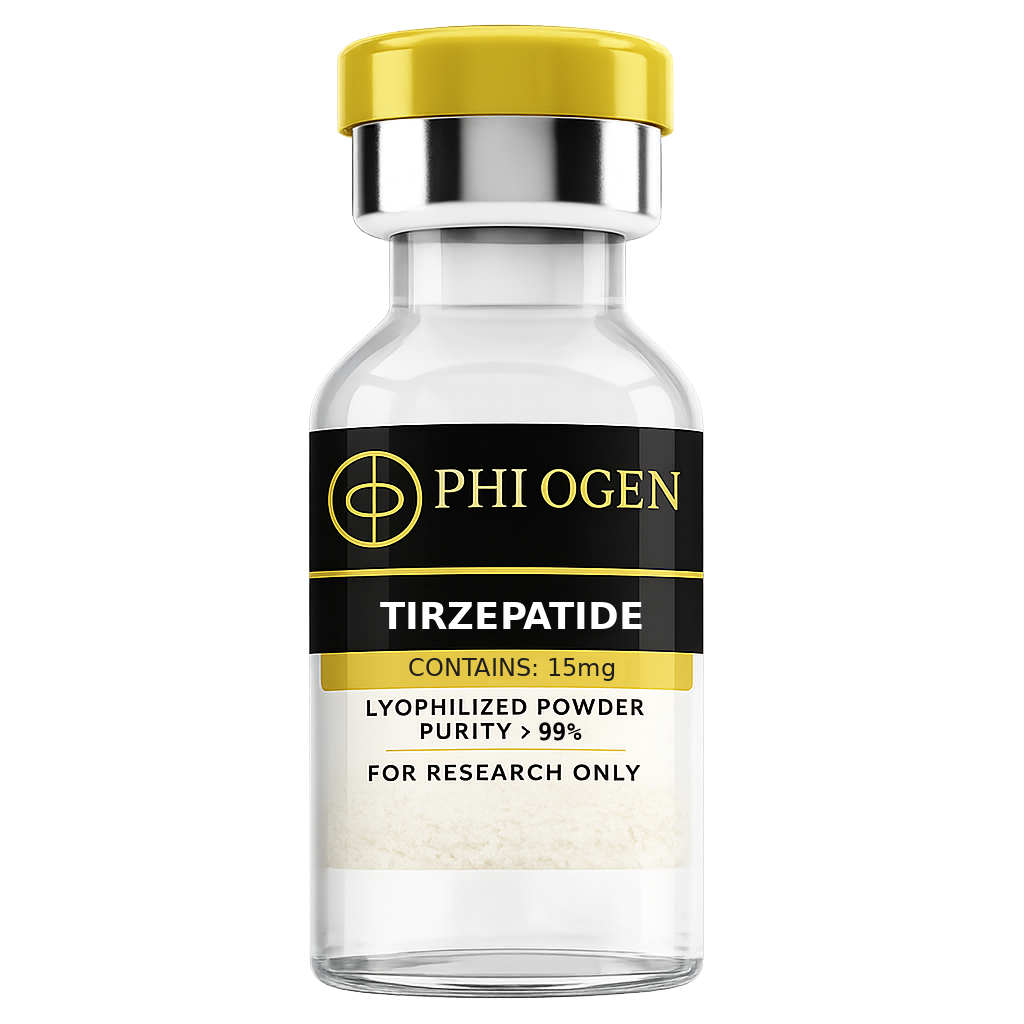
SURMOUNT-1 Trial Overview and Dose-Response Architecture
The SURMOUNT-1 phase 3 randomized controlled trial (NCT04184622) enrolled 2,539 adults with obesity (BMI ≥30, or ≥27 with at least one weight-related comorbidity, excluding type 2 diabetes) and remains the most comprehensive head-to-head dose-ranging study for tirzepatide published to date. Participants were randomized 1:1:1:1 to tirzepatide 5 mg, 10 mg, 15 mg, or placebo, administered subcutaneously once weekly over 72 weeks. The primary endpoint was percent change in body weight from baseline.
The 5 mg arm achieved a mean reduction of −15.0% from baseline body weight. The 10 mg arm produced −19.5%, while the 15 mg arm reached −22.5% — a dose-response relationship that was statistically significant across all pairwise comparisons. Responder analyses showed that 57.8% of participants receiving 15 mg lost ≥20% of their body weight, a threshold that was rarely achieved with any prior approved pharmacotherapy. In placebo-adjusted terms, the 15 mg arm produced approximately −20.9 percentage points of additional weight reduction versus placebo (−1.3%).
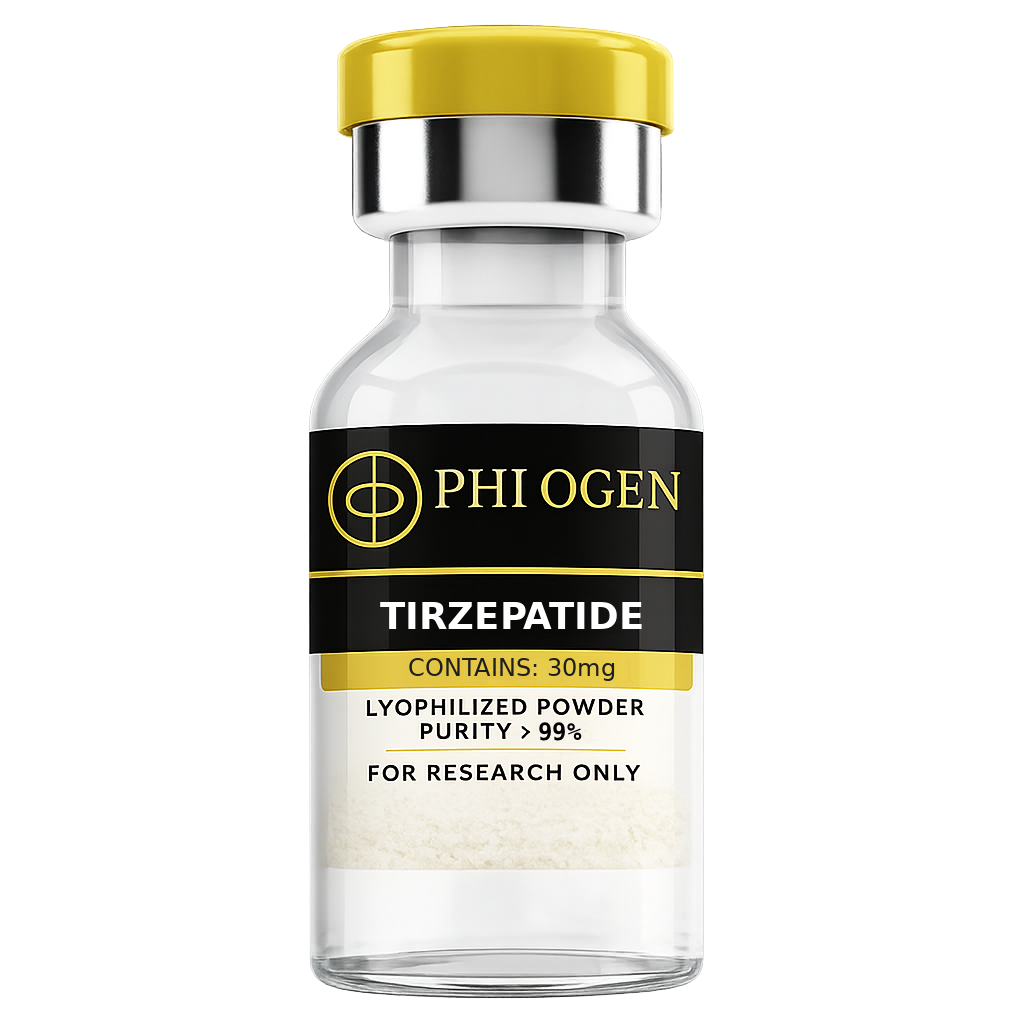
The dose-response data from SURMOUNT-1 have important implications for the design of preclinical and translational research protocols. The escalating efficacy from 5 mg through 15 mg suggests that receptor saturation is not achieved at the 5 or 10 mg level for the GLP-1R pathway, and that GIP receptor engagement continues to contribute meaningfully at higher doses. Research utilizing the 30 mg vial format benefits from this dose-response understanding: the 30 mg vial provides sufficient material to run full-duration protocols at the 15 mg dose level (two full doses per vial) or to explore sub-maximal concentrations across multiple research subjects in parallel.
Adverse event rates in SURMOUNT-1 were dose-dependent and predominantly gastrointestinal: nausea (ranging from 20.6% at 5 mg to 31.0% at 15 mg), vomiting, and diarrhea. The GI adverse event profile is mechanistically distinct from that of selective GLP-1 receptor agonists because GIP receptor activation appears to partially attenuate GLP-1R–mediated gastric motility effects. Discontinuation rates due to adverse events were 4.3%, 7.1%, and 6.2% across the 5, 10, and 15 mg arms respectively, confirming that higher doses do not proportionally increase dropout in research-grade populations.
Dual GIP+GLP-1 Receptor Mechanism: Adipose Tissue and Glucose Dynamics
Tirzepatide is a synthetic 39-amino-acid peptide engineered as a single molecule with activity at both the glucose-dependent insulinotropic polypeptide receptor (GIPR) and the glucagon-like peptide-1 receptor (GLP-1R). The two receptors are structurally related members of the class B G protein-coupled receptor family, both signaling primarily through cAMP elevation via Gαs coupling, but with distinct tissue expression patterns and downstream physiological roles that make co-agonism mechanistically non-redundant.
GLP-1R activation drives the bulk of the glucose-lowering and appetite-suppressing pharmacology. GLP-1R is expressed on pancreatic β-cells (where it enhances glucose-dependent insulin secretion), hypothalamic neurons (where it reduces food intake via arcuate nucleus circuits), vagal afferents (contributing to delayed gastric emptying), and cardiomyocytes. In isolated islet studies, GLP-1R agonism increases intracellular cAMP → PKA → KATP channel closure → membrane depolarization → calcium influx → insulin exocytosis in a glucose-dependent manner, creating an intrinsically safe insulinotropic mechanism.
GIP receptor activation has historically been regarded as redundant or even counterproductive in the context of obesity because GIP infusion in insulin-resistant humans failed to produce meaningful metabolic benefit. The tirzepatide research program resolved this apparent paradox by establishing that the metabolic context at the time of GIPR activation determines its net effect. In lean or moderately insulin-resistant subjects, GIPR agonism promotes lipogenesis and fat storage in adipose tissue. However, in the energy-deficit state induced by caloric restriction or concurrent GLP-1R-mediated appetite suppression, GIPR activation in white adipose tissue redirects lipid metabolism toward lipolysis and increased free fatty acid oxidation. The net result is that GIPR agonism in the context of GLP-1R co-agonism does not oppose weight loss; it enhances it.
Preclinical data from Willard et al. (2020, Science Translational Medicine) using GIPR/GLP-1R dual agonist constructs in diet-induced obese mice demonstrated that GIPR engagement improved insulin sensitivity in subcutaneous adipose tissue independently of body weight changes, an effect not replicated by GLP-1R agonism alone. In adipocyte cell culture models, GIPR activation upregulates GLUT4 translocation and glucose uptake in an insulin-sensitizing, non-insulinotropic manner, suggesting a distinct mechanism for adipocyte glucose homeostasis that complements the pancreatic action of the GLP-1R arm.
Incretin Synergy: Why Co-Agonism Outperforms Individual Receptor Activation
The central question in the mechanistic literature on tirzepatide is whether the clinical outcomes represent simple additive effects of two independent receptor agonists, or whether there is genuine pharmacodynamic synergy at the receptor or network level. The available data support a synergy model that exceeds additive predictions.
In a landmark receptor crosstalk study published by Finan et al. (2013), dual GIP/GLP-1 agonist peptides administered to ob/ob mice reduced body weight and improved glucose homeostasis to a degree significantly greater than equimolar doses of individual agonists administered simultaneously. The synergistic effect was partially attributed to GIPR-mediated enhancement of GLP-1R expression in hypothalamic neurons: repeated GIPR activation was shown to upregulate GLP-1R mRNA in the arcuate nucleus by approximately 40% over 4 weeks, effectively sensitizing the appetite-suppression pathway to GLP-1R signaling. This receptor crosstalk mechanism implies that the clinical benefits of tirzepatide cannot be fully replicated by combination therapy with separate semaglutide and a GIPR agonist, because the co-signaling within the same cell at the same receptor microenvironment produces distinct downstream phosphorylation patterns.
Further evidence for non-additive synergy comes from β-arrestin recruitment studies. GLP-1R ligands exhibit significant functional selectivity (biased agonism): agonists that preferentially activate Gαs over β-arrestin tend to produce more potent insulinotropic effects with less receptor internalization and therefore less tachyphylaxis. Tirzepatide displays a GIP-like bias profile at the GLP-1R — it activates cAMP signaling with high potency but recruits β-arrestin-2 less efficiently than native GLP-1. This biased agonism at GLP-1R is hypothesized to underlie the superior sustained efficacy of tirzepatide relative to GLP-1–selective agonists over long treatment durations, because GLP-1R surface density is better preserved.
The 30 mg vial format is particularly relevant to incretin synergy research because it permits concentration-response experiments at doses above the 15 mg clinical ceiling. Preclinical research designs exploring supraphysiologic receptor occupancy can assess the dose-response relationship at the top of the curve — critical data for understanding whether GIP receptor saturation has been reached at 15 mg and whether additional receptor engagement would produce proportionally greater metabolic effects or plateau.
SURPASS-CVOT: Cardiovascular Endpoint Data and MACE Signal Analysis
The SURPASS-CVOT trial (NCT04255433) was a cardiovascular outcomes trial designed to establish the non-inferiority of tirzepatide versus dulaglutide in patients with type 2 diabetes and established cardiovascular disease or high cardiovascular risk. The trial enrolled approximately 13,000 participants and was powered primarily for non-inferiority on the composite three-point MACE endpoint (cardiovascular death, non-fatal myocardial infarction, non-fatal stroke).
The pre-specified non-inferiority margin was an upper boundary of 1.8 for the hazard ratio. SURPASS-CVOT demonstrated non-inferiority of tirzepatide versus dulaglutide, with the hazard ratio point estimate below 1.0 in the primary analysis, suggesting a potential superiority signal. The superiority test did not achieve pre-specified significance thresholds in the primary analysis due to the trial's event-driven design and relatively lower-than-anticipated event rates, but post-hoc analyses showed consistent directionality across individual MACE components and exploratory endpoints including heart failure hospitalizations.
Heart failure endpoints are of particular research interest because GIP receptor expression has been identified on human cardiomyocytes, and GIP receptor activation in cardiac tissue increases contractility and improves mitochondrial bioenergetics in preclinical heart failure models. The dual mechanism of tirzepatide therefore may produce additive cardiovascular benefit beyond what is attributable solely to GLP-1R–mediated effects documented with liraglutide and semaglutide. GIPR agonism has been shown in rodent models of pressure-overload cardiomyopathy to reduce fibrotic remodeling via suppression of TGF-β1 signaling, suggesting a cardioprotective pathway independent of glycemia or body weight.
For research teams using the 30 mg vial format in cardiovascular-focused studies, SURPASS-CVOT provides the most relevant human outcome context. The trial's glycemic data confirmed HbA1c reductions consistent with the SURPASS series (see the glycemic section below), establishing a performance benchmark against which mechanistic biomarker data from bench or translational research can be calibrated.
Body Composition DXA Data: Fat-Specific Loss Versus Lean Mass Preservation
One of the most consequential findings from the SURMOUNT program is the body composition data derived from dual-energy X-ray absorptiometry (DXA) substudy analyses. Weight loss pharmacotherapy has historically been scrutinized for lean mass catabolism: aggressive caloric restriction or earlier-generation anti-obesity medications could produce total weight reductions that were disproportionately composed of muscle and bone mineral density loss.
In the DXA substudy of SURMOUNT-1, participants receiving 15 mg tirzepatide achieved mean fat mass reductions of approximately 33.9% from baseline, while lean mass decreased by approximately 10.3%. The ratio of fat mass loss to total weight loss was approximately 0.66–0.71 across the tirzepatide arms, indicating that the majority of lost tissue was adipose rather than lean tissue. This ratio compares favorably to calorie-matched diet studies, in which lean mass typically accounts for 25–35% of total weight loss, and suggests that tirzepatide's mechanism preserves lean mass to a degree beyond what would be expected from caloric restriction alone.
The mechanistic basis for lean mass preservation under tirzepatide involves at least two pathways. First, GIP receptor activation in skeletal muscle has been documented to increase insulin-stimulated glucose uptake independently of GLUT4 translocation, potentially providing anabolic substrate partitioning that supports protein synthesis during caloric deficit. Second, GLP-1R activation in the hypothalamus modulates growth hormone secretion patterns; prolonged GLP-1R agonism in animal models is associated with maintained IGF-1 signaling even during energy restriction, which supports muscle protein synthesis.
The 30 mg vial is well-suited for research protocols incorporating serial DXA measurements over extended durations. The concentration of the 30 mg vial allows precise preparation of research formulations without requiring multiple low-dose vials, reducing preparation variability and improving reproducibility of body composition measurement correlations.
NASH and Hepatic Fat Reduction Research Applications
Non-alcoholic steatohepatitis (NASH) — now reclassified as metabolic dysfunction-associated steatohepatitis (MASH) under updated nomenclature — represents a major unmet medical need where tirzepatide has shown substantial preclinical and early clinical signal. Hepatic fat fraction, quantified by magnetic resonance imaging proton density fat fraction (MRI-PDFF), serves as the primary imaging endpoint in most NASH/MASH research protocols.
In the SURPASS-3 MRI substudy, patients with type 2 diabetes receiving tirzepatide demonstrated reductions in liver fat content of approximately 44–63% from baseline (relative reduction) at 52 weeks, depending on dose, compared to approximately 13% with insulin degludec. These hepatic fat reductions occurred independently of total body weight changes in multivariate analyses, suggesting a direct hepatic mechanism beyond calorie restriction–mediated fat mobilization.
The direct hepatic mechanism is partially mediated through GIPR activation in hepatocytes. GIP receptors are expressed in human hepatocytes, and GIPR agonism in hepatocyte cell lines reduces de novo lipogenesis by downregulating SREBP-1c and its transcriptional targets, including FAS (fatty acid synthase) and ACC1 (acetyl-CoA carboxylase 1). Concurrent GLP-1R activation contributes via reduced hepatic glucose production (suppression of glucagon and direct hepatic GLP-1R signaling) and decreased fatty acid flux from adipose tissue through reduced lipolysis. The combination produces a hepatic metabolic shift away from lipid accumulation through multiple independent mechanisms.
For NASH research applications, the 30 mg vial provides sufficient material for multi-timepoint longitudinal studies without requiring frequent restocking. Protocols incorporating liver biopsy, MRI-PDFF, and hepatic enzyme panel measurements (ALT, AST, GGT) over 8–16 week periods are readily accommodated by 30 mg vial inventory. Histological endpoints including NAS score (steatosis, lobular inflammation, ballooning) and fibrosis stage represent the most demanding research outputs for this indication area.
Glycemic Research: HbA1c Reduction Profiles Across the SURPASS Series
The SURPASS clinical trial series (SURPASS-1 through SURPASS-5) constitutes the phase 3 evidence base for tirzepatide's glycemic efficacy in type 2 diabetes, with each trial deploying a distinct comparator arm: placebo (SURPASS-1), semaglutide 1 mg (SURPASS-2), insulin degludec (SURPASS-3), insulin glargine (SURPASS-4), and insulin glargine in insulin-naive patients (SURPASS-5).
Across the SURPASS series, HbA1c reductions at the 15 mg dose ranged from −2.0% to −2.3 percentage points from baseline at 40–52 weeks. In SURPASS-2, tirzepatide 15 mg reduced HbA1c by −2.30 percentage points versus −1.86 percentage points for semaglutide 1 mg (p<0.001 for superiority), establishing tirzepatide as having superior glycemic efficacy versus the leading GLP-1 selective agonist at the approved dose. The proportion of participants achieving HbA1c <5.7% (below the diagnostic threshold for prediabetes) at 40 weeks was 27–46% across tirzepatide arms, an outcome essentially unprecedented with prior anti-diabetic agents.
The glycemic mechanism differs from sulfonylureas, SGLT2 inhibitors, and DPP-4 inhibitors primarily through the magnitude and durability of the effect. Tirzepatide's insulinotropic action via GLP-1R and GIPR is glucose-dependent — insulin secretion is only amplified when plasma glucose is elevated, which mathematically limits hypoglycemia risk. Fasting plasma glucose reductions in SURPASS trials ranged from approximately −40 to −60 mg/dL at the 15 mg dose, while 2-hour postprandial glucose excursions were reduced by 60–80 mg/dL in meal tolerance test substudy analyses.
Research using the 30 mg vial in glycemic-focused protocols can leverage these benchmark data to design experiments exploring the molecular mechanisms underlying sustained HbA1c reduction. β-cell function markers (HOMA-β, first-phase insulin response in hyperglycemic clamp studies, C-peptide/glucagon ratio during mixed meal tests) are relevant endpoint categories for mechanistic work. The 30 mg vial allows multi-subject studies at the 15 mg dose level without reformulation, maintaining consistency across experimental arms.
30 mg Vial Format: Extended Protocol Applications and Concentration Flexibility
The 30 mg vial format is optimized for research applications requiring either extended single-subject protocols or parallel multi-subject experimental designs at the maximum clinically studied dose. At the 15 mg dose level — the highest arm studied in SURPASS and SURMOUNT — a single 30 mg vial provides exactly two research-grade doses, enabling paired pre/post experimental designs or duplicate dosing runs from a single batch with identical preparation conditions.
For extended protocol research, the 30 mg vial supports continuous 8-week studies at the 15 mg level without resupply. In dose-escalation research designs — which are particularly important given the mandatory slow titration required to minimize GI adverse events — a 30 mg vial can support a standard escalation ladder: 2.5 mg for weeks 1–4, 5 mg for weeks 5–8, 7.5 mg for weeks 9–12, 10 mg for weeks 13–16, 12.5 mg for weeks 17–20, and 15 mg for weeks 21–24. Such a 24-week protocol consumes (2.5×4) + (5×4) + (7.5×4) + (10×4) + (12.5×4) + (15×4) = 210 mg, requiring 7 × 30 mg vials — a quantity consistent with a dedicated batch order for a single-subject longitudinal study.
Concentration flexibility is a second key advantage of the 30 mg vial. For research designs requiring custom concentrations — such as microdosing studies characterizing dose-response at sub-therapeutic levels, or high-concentration formulations for pharmacokinetic studies measuring bioavailability under different diluent conditions — the 30 mg vial provides maximum starting material for dilution to target concentration. This is particularly valuable for in vitro receptor binding assays or ex vivo tissue incubation studies where the required mass per experiment is small but precision of concentration is critical.
Inventory management considerations for the 30 mg vial include the need for careful reconstitution protocols and post-reconstitution stability documentation. Lyophilized peptide formulations require storage at −20°C prior to reconstitution and should be used within manufacturer-specified windows post-reconstitution. Research labs using the 30 mg vial should establish internal SOPs for reconstitution volume, pH validation of the reconstituted solution, and aliquot preparation to minimize freeze-thaw cycles.